Today, practicality is no longer viewed as unfashionable. In many cases, practical fashion trends now define modern style itself.
Fashion trends once prioritized appearance above almost everything else. Many everyday outfits emphasized rigid styles, formal structure, or visually impressive pieces, often at the expense of comfort and practicality. Over the last decade, however, everyday fashion shifted dramatically toward clothing that feels easier to wear, move in, and live with throughout daily life.
Comfort-focused clothing, versatile basics, athletic-inspired styles, and functional materials became mainstream across nearly every age group.
Comfort Became a Higher Priority
One of the main reasons fashion has become more practical is that people increasingly value comfort in daily life. Long commutes, hybrid work schedules, busy routines, and growing awareness of wellness all contributed to this shift.
Clothing that feels restrictive or difficult to wear throughout the day now appeals to fewer consumers than it once did. Stretch fabrics, softer materials, relaxed fits, and lightweight layers became far more desirable because they naturally support movement and comfort.
This change accelerated as people spent more time at home and became accustomed to casual clothing during remote work periods. Once consumers experienced more comfortable daily wardrobes, many were reluctant to return to rigid or highly formal styles fully.
Comfort gradually stopped feeling like a compromise and began to feel modern.
Fashion increasingly adapted to how people actually live rather than how they were expected to present themselves.
See Small Habits That Make Daily Life Feel Easier for more lifestyle comfort shifts.
Athleisure Changed Everyday Style
Few trends influenced practical fashion more than the rise of athleisure. Athletic-inspired clothing moved far beyond gyms and workouts into mainstream daily wear.
Leggings, sneakers, joggers, hoodies, performance fabrics, and athletic jackets became accepted in casual workplaces, travel settings, errands, and social environments.
Part of athleisure’s success comes from versatility. These clothes transition easily between activities without requiring outfit changes throughout the day.
Consumers increasingly prefer wardrobes that support flexibility and convenience. Clothing that works for commuting, walking, shopping, exercising, or relaxing at home naturally fits modern lifestyles more effectively than highly specialized outfits.
Athleisure also blurred the line between functionality and style. Performance materials and comfort-focused design became aesthetically desirable rather than purely practical.
Explore Why Everyday Convenience Now Feels Like a Luxury for related everyday lifestyle changes.
Everyday Basics Became More Important
Another major shift involves the growing popularity of versatile basics. Instead of constantly chasing highly trend-driven fashion, many people now prioritize clothing that mixes easily, lasts longer, and works across multiple situations.
Neutral colors, simple silhouettes, quality fabrics, and layering pieces became increasingly valuable because they reduce decision fatigue and simplify dressing routines.
This trend overlaps heavily with minimalism and capsule wardrobe culture. Consumers increasingly want fewer items that work consistently rather than large collections built around occasional trends.
Practical fashion also appeals financially. High-quality basics often provide better long-term value than constantly replacing short-lived trend pieces.
People increasingly view clothing through the lens of usability as much as through that of appearance.
Read Why Minimalism Looks Different Than It Did 10 Years Ago for more on wardrobe simplicity.
Footwear Shifted Toward Function
Footwear changed dramatically as well. Sneakers became mainstream across environments where formal shoes once dominated heavily. Comfort technology, lightweight materials, and ergonomic support gained enormous popularity.
Many consumers now prioritize shoes that can handle long periods of standing, walking, or commuting comfortably. Even professional fashion environments became noticeably more relaxed regarding footwear expectations.
This shift also reflects broader cultural changes around wellness and mobility. People increasingly expect clothing and footwear to support physical comfort rather than ignore it.
At the same time, sneaker culture itself became fashionable. Functional shoes evolved into major style statements without losing their practical appeal.
Modern fashion increasingly rewards products that combine convenience with visual identity.
Weather and Utility-Influenced Design
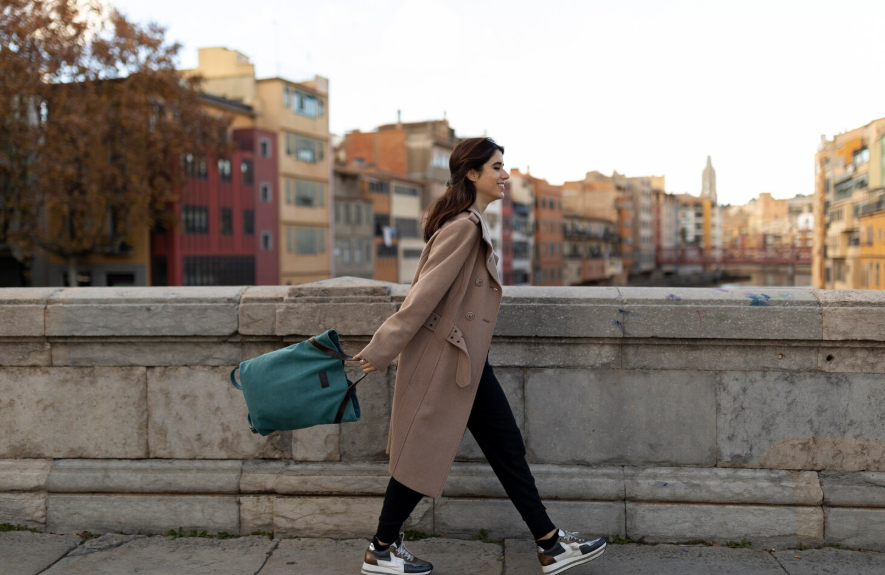
Practical fashion also became more influenced by utility and environmental adaptability. Water-resistant jackets, oversized totes, layered clothing systems, crossbody bags, and functional outerwear all grew in popularity.
Consumers increasingly appreciate clothing that reflects real daily conditions, especially as urban commuting, travel, and outdoor activities have become more integrated into everyday routines.
Pockets, durable fabrics, wrinkle resistance, adjustable fits, and easy-care materials now matter more to many shoppers than purely decorative details.
Even luxury brands increasingly incorporate utility-inspired elements into mainstream collections because consumers respond positively to functional design.
Fashion evolved to support movement, convenience, and flexibility rather than limit them.
Check The Everyday Items That Quietly Improved Over the Last Decade for functional upgrades.
Why Practical Fashion Continues Growing
Everyday fashion became more practical because lifestyles changed. People increasingly move between multiple environments throughout the day while balancing work, errands, socializing, travel, and relaxation within compressed schedules.
At the same time, attitudes toward style evolved. Many consumers no longer see discomfort as necessary for looking polished or fashionable.
The modern definition of style increasingly includes ease, versatility, and authenticity. Clothing is expected to function well in real life, not just to photograph well or to follow rigid fashion expectations.
Practical fashion also reflects larger cultural priorities around wellness, simplicity, sustainability, and emotional comfort. People want wardrobes that reduce stress rather than create it.
As a result, practical clothing no longer feels like a temporary trend. It feels like a long-term adjustment in how people define both comfort and style.
Fashion did not become less expressive. It simply became more livable.