When daily life feels smoother, calmer, and slightly less overwhelming, even small habits for daily life can have a noticeable emotional impact.
People often assume major life improvements require dramatic changes. New schedules, expensive systems, complete reorganizations, or highly structured routines tend to dominate productivity advice online. In reality, however, many of the habits that make everyday life feel easier are surprisingly small.
Tiny adjustments to routines, organization, cleaning, cooking, and scheduling can reduce daily stress significantly over time. These habits rarely look impressive on social media, but they quietly remove friction from ordinary life.
The appeal of small habits is simple: they are easier to maintain, easier to repeat, and often more effective in the long term than extreme lifestyle overhauls.
Preparing For Tomorrow Reduces Daily Stress
One of the simplest ways to make life easier is to reduce the number of decisions required during busy moments.
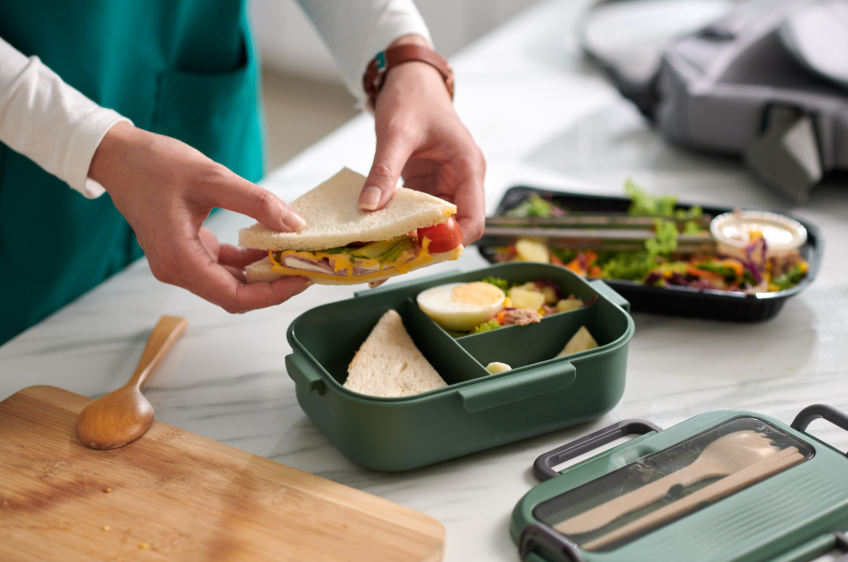
Preparing small things ahead of time can dramatically lower stress levels throughout the week. Setting out clothes the night before, packing lunches early, refilling water bottles before bed, or tidying common areas in the evening often makes mornings feel calmer and less rushed.
These habits work because they shift effort away from high-pressure moments.
Decision fatigue plays a larger role in stress than many people realize. The more small choices people must make while tired, rushed, or distracted, the more mentally draining ordinary routines can feel.
Small preparation habits create smoother transitions between parts of the day.
Even tiny actions, such as placing keys in the same location every evening or checking calendars before bed, can prevent recurring frustration that quietly accumulates over time.
The goal is not perfection. It is reducing avoidable friction.
See How Grocery Shopping Habits Have Changed for practical planning routines.
Resetting Spaces Creates Mental Calm
Another highly effective habit involves maintaining small “resets” throughout the day instead of waiting for massive cleaning sessions.
A five-minute kitchen reset after meals, quickly folding blankets before bed, clearing countertops, or putting items back immediately after use can prevent clutter from becoming visually and mentally overwhelming.
These habits are especially helpful because physical environments strongly affect emotional state.
Messy spaces often create low-level stress even when people stop consciously noticing the clutter. Small resets keep spaces feeling manageable without constantly requiring exhausting deep-cleaning marathons.
Importantly, these habits work best when they stay small and realistic.
People often abandon organizational systems because they become overly complicated or time-consuming. Simpler routines usually last longer because they fit naturally into everyday life.
A quick nightly reset often feels far more sustainable than attempting to maintain perfection at all times.
Consistency matters more than intensity.
Read Why More People Want Multi-Purpose Living Spaces for more home routine context.
Small Food Habits Save Time And Energy
Many everyday frustrations revolve around food decisions and meal preparation.
Simple habits such as keeping backup freezer meals, pre-cutting ingredients, creating rotating meal lists, or preparing snacks in advance can reduce significant mental load during busy weeks.
These habits are not about rigid meal planning. They are about making ordinary decisions easier when energy is low.
For example, maintaining a short list of reliable meals eliminates constant nightly decision-making. Keeping frequently used ingredients stocked prevents unnecessary grocery trips. Preparing coffee setups or lunches ahead of time makes mornings smoother almost immediately.
Small food systems reduce what psychologists often call “micro-stressors,” recurring tiny frustrations that gradually wear people down emotionally.
Even keeping easy comfort foods available during stressful weeks can improve overall well-being by reducing pressure during already difficult moments.
Sometimes convenience itself becomes a form of self-care.
Explore The Modern Appeal of ‘Learning for Fun’ for another lifestyle shift.
Managing Attention Matters More Than Managing Time
Modern life often feels overwhelming not only because people lack time, but because attention is constantly fragmented.
Small habits that reduce mental noise can make daily life feel significantly calmer. Silencing unnecessary notifications, limiting phone use during meals, using simple to-do lists, or setting small boundaries around screen time often quickly improve focus and emotional balance.
Many people also benefit from creating tiny transition rituals between activities.
A short walk after work, changing clothes before relaxing, making tea in the evening, or briefly stepping outside before starting the day can help create mental space and reduce the feeling that everything blends continuously.
These habits may seem insignificant individually, but when repeated consistently, they create a psychological structure within busy routines.
Importantly, easier living often comes less from maximizing productivity and more from minimizing unnecessary mental clutter.
Small attention habits help create breathing room.
Check The Evolution of Modern Friendship Rituals for more intentional daily habits.
Why Small Habits Often Work Better Than Big Changes
The popularity of small habits reflects growing cultural fatigue with extreme optimization and unrealistic self-improvement systems.
People increasingly recognize that sustainable routines usually grow through manageable repetition rather than dramatic transformation.
Small habits succeed because they feel achievable even during stressful periods. They adapt more easily to changing schedules and lifestyles without creating guilt or burnout when life becomes complicated.
They also build momentum gradually.
A cleaner kitchen, a calmer morning, an easier meal routine, or a quieter evening may not seem life-changing in isolation. However, repeated daily, these habits can noticeably improve how everyday life feels emotionally and practically.
Importantly, small habits work best when they support comfort and simplicity rather than perfection.
The goal is not to turn life into a highly optimized machine. It is creating routines that reduce stress, support well-being, and make ordinary days feel a little lighter.
Often, the habits that improve life most are not dramatic at all. They are the small routines people barely notice until things start feeling easier.