The reason why minimalism is changing comes down to a shift in priorities.. Instead of focusing heavily on restriction or visual perfection, many people now view minimalism as a way to reduce stress, create functionality, and make room for the things that matter most.
A decade ago, minimalism was often associated with stark white rooms, empty countertops, monochrome wardrobes, and the idea of owning as little as possible. The aesthetic became highly recognizable through ultra-clean interiors, sparse design, and carefully curated simplicity. While that version of minimalism still exists, the philosophy surrounding it has changed significantly over time.
Today’s approach to minimalism is generally softer, more personal, and more flexible.
Early Minimalism Focused Heavily on Aesthetics
Ten years ago, minimalism was strongly tied to visual identity. Social media platforms helped popularize bright white interiors, capsule wardrobes, and highly controlled living spaces that appeared calm and clutter-free.
For many people, minimalism initially felt aspirational because it symbolized control and order in an increasingly busy world. Clean spaces represented clarity, discipline, and freedom from excess consumerism.
However, critics often pointed out that early minimalist culture could feel unrealistic or overly rigid. Perfectly empty countertops and nearly bare living spaces sometimes appeared difficult to maintain for families, pet owners, or people simply living normal daily lives.
Over time, people began separating the philosophy of minimalism from the highly polished aesthetic that originally dominated online spaces.
Minimalism gradually became less about appearance and more about practicality.
See Why Aesthetic Organization Became So Popular for a related visual order trend.
Modern Minimalism Prioritizes Comfort
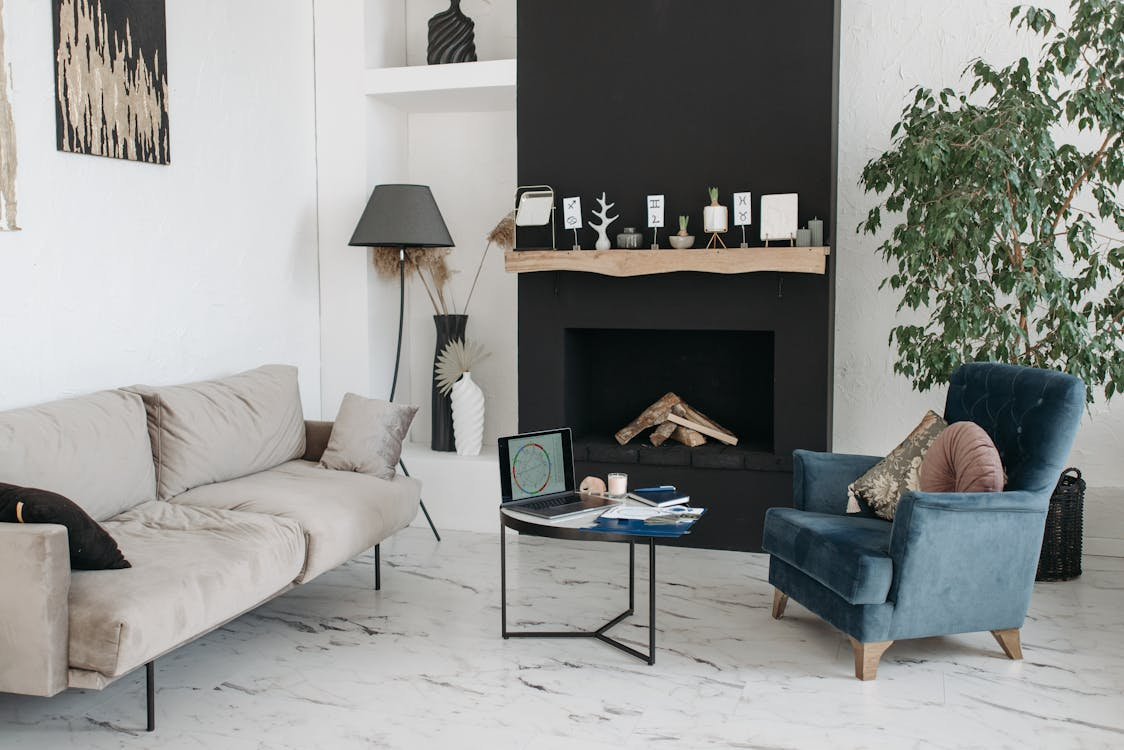
One of the biggest shifts in modern minimalism is the growing emphasis on comfort. Many people no longer want homes that feel sterile or emotionally cold. Instead, they want spaces that feel calming, functional, and genuinely livable.
This newer version of minimalism often includes softer textures, warm lighting, natural materials, books, plants, and personal items that would have seemed “too cluttered” under older minimalist standards.
Comfort-focused minimalism overlaps heavily with cozy design trends. Neutral colors remain popular, but spaces now often feel layered and inviting rather than stark and empty.
People increasingly understand that reducing stress matters more than achieving visual perfection.
Modern minimalism allows more personality to exist within simplicity.
Read Why ‘Cozy’ Became a Full Lifestyle Aesthetic alongside softer home design.
People Became More Intentional About Ownership
Another major evolution involves how people think about possessions themselves. Earlier minimalist movements sometimes emphasized owning as few items as possible, occasionally turning reduction into a kind of competition.
Today, many people approach minimalism more intentionally and less rigidly. The focus shifted toward owning useful, meaningful, or high-quality items rather than simply reducing the number of items.
Someone may now own a large book collection, hobby equipment, or sentimental décor while still identifying with minimalist values because those items genuinely support their lifestyle.
This approach feels more sustainable for many households because it acknowledges that different people require different things to live comfortably.
Modern minimalism is increasingly about eliminating unnecessary friction rather than eliminating personality.
Digital Overload Changed the Conversation
Technology also reshaped how people think about minimalism. Ten years ago, clutter was often discussed primarily in physical terms. Today, many people feel just as overwhelmed by digital clutter as by physical possessions.
Constant notifications, overflowing inboxes, crowded app screens, endless subscriptions, and nonstop online stimulation created a new desire for simplicity that extends beyond physical spaces.
As a result, modern minimalism often includes reducing screen time, muting notifications, limiting social media exposure, or simplifying digital workflows.
Many people now associate minimalism with mental clarity as much as physical organization.
The rise of “quiet” aesthetics, slow living, and intentional routines all connect to this broader desire to reduce overstimulation.
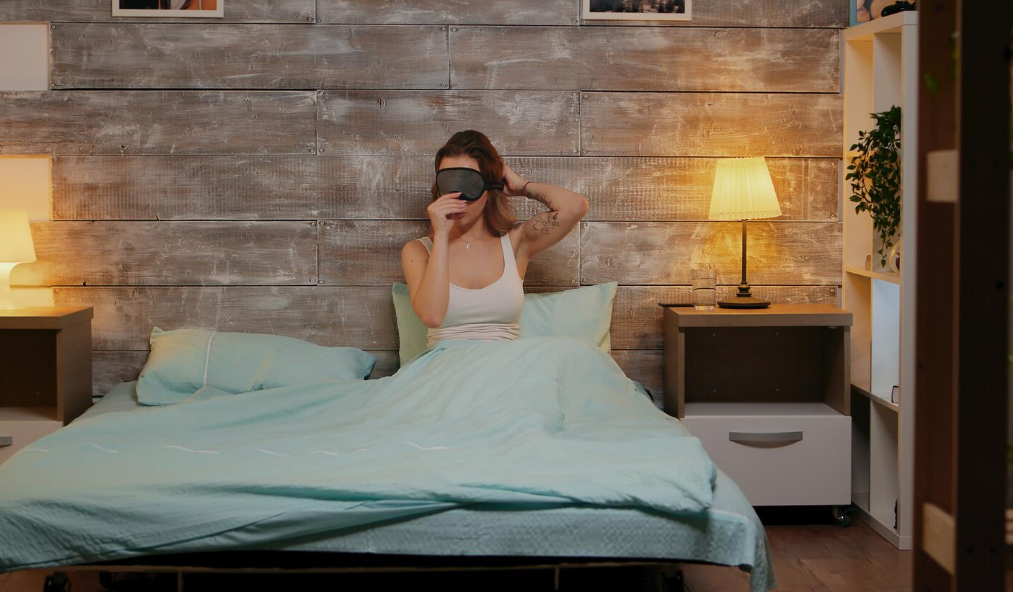
Explore Why People Are Prioritizing Sleep-Friendly Bedrooms for another calm lifestyle shift.
Sustainability Influenced Modern Minimalism
Environmental awareness also significantly changed minimalist thinking. Earlier minimalist culture sometimes encouraged constant purging and replacement in pursuit of a cleaner aesthetic.
Today, sustainability plays a much larger role. Many people now focus on buying fewer but longer-lasting products, repairing items instead of replacing them, and avoiding wasteful consumption habits.
Secondhand shopping, vintage furniture, reusable products, and intentional purchasing all overlap heavily with modern minimalist values.
Minimalism became less about owning trendy neutral-colored products and more about consuming thoughtfully overall.
This shift made the lifestyle feel more accessible and practical rather than purely aesthetic.
Check Why Secondhand Shopping Has Gone Mainstream for practical consumption habits.
Why Minimalism Continues to Evolve
Minimalism looks different today because people’s priorities have changed. Earlier versions often emphasized appearance, control, and reduction. Modern minimalism focuses more on balance, functionality, mental well-being, and intentional living.
People increasingly recognize that simplicity does not look identical for everyone. A minimalist home for one person may still appear cozy, colorful, creative, or full of meaningful objects to someone else.
The core goal is no longer strict emptiness. It is creating environments and routines that feel manageable, calming, and supportive of daily life.
In a culture filled with constant stimulation, information, and pressure to consume, many people still crave simplicity. The difference is that today’s minimalism allows more flexibility, personality, and emotional comfort than the highly controlled version that dominated a decade ago.
That evolution may be exactly why minimalism is changing and why it continues resonating with so many people now.