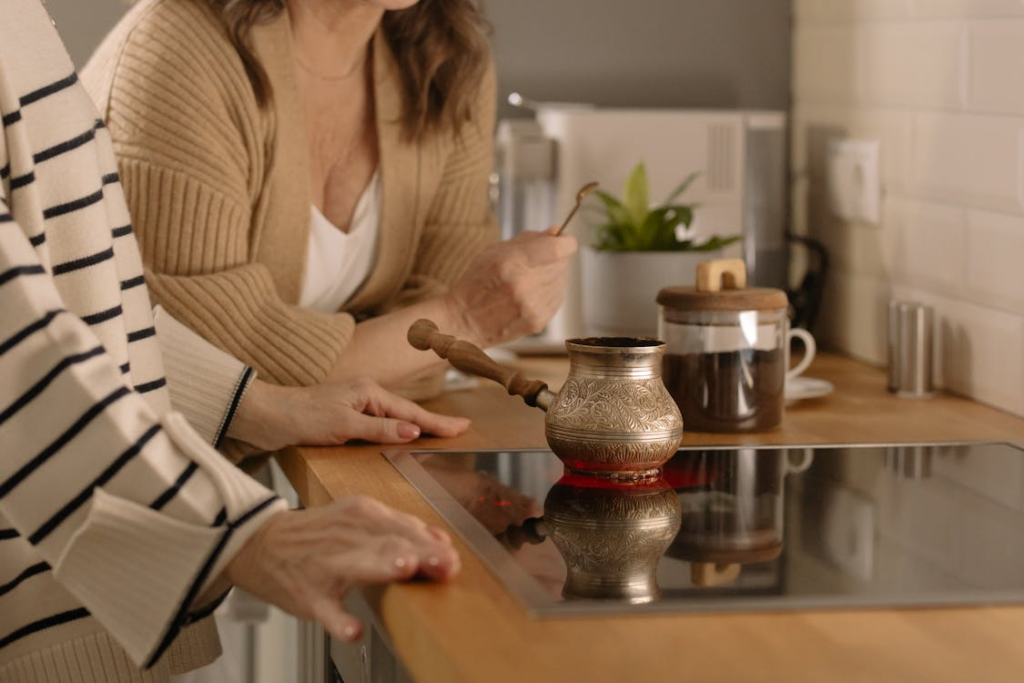

The popularity of the cozy lifestyle aesthetic reflects more than aesthetic preference. It represents a larger response to overstimulation, stress, and the fast pace of modern digital life.
What once described a simple feeling of warmth and comfort has evolved into a full cultural identity. “Cozy” is no longer limited to blankets, fireplaces, or rainy-day reading. Today, it shapes interior design, fashion, gaming, entertainment, routines, hobbies, social media, and even personal values. Entire online communities now revolve around creating lives that feel softer, calmer, and emotionally comforting.
People Crave Comfort in Overstimulating Environments
Modern life exposes people to constant noise, information, notifications, and pressure. Work, news cycles, social media, and endless online content can leave people mentally exhausted even during leisure time.
Cozy aesthetics offer an emotional counterbalance to that overstimulation. Soft lighting, warm textures, calming routines, ambient sounds, and slower activities create environments that feel emotionally safe and manageable.
This helps explain why cozy spaces often emphasize dim lamps, blankets, candles, warm drinks, books, rain sounds, and natural materials. These elements reduce sensory intensity and encourage relaxation.
The appeal is not just visual. Cozy culture creates a psychological atmosphere that feels slower and more emotionally grounded.
For many people, intentionally adopting a cozy lifestyle became a way to reduce stress in everyday life.
See The Modern Appeal of ‘Learning for Fun’ for a fun lifestyle shift.
Home Became More Important Emotionally
Another reason cozy culture expanded is that people now spend more time at home than previous generations often did. Remote work, streaming entertainment, online shopping, gaming, and digital socializing all increased the emotional importance of home environments.
As homes became central spaces for work, rest, hobbies, and social connection, people began designing them more intentionally to enhance comfort and mood.
Cozy aesthetics transformed ordinary living spaces into emotional retreats. Bedrooms, reading corners, gaming setups, kitchens, and even desks are now often styled to feel calming and inviting rather than purely functional.
This shift also overlaps with the rise of “soft living” and intentional routines. People increasingly want homes that help them recover mentally, rather than simply storing possessions.
Comfort became part of lifestyle identity rather than an occasional indulgence.
Read Why More People Want Multi-Purpose Living Spaces for a home lifestyle shift.
Cozy Entertainment Became Extremely Popular
Entertainment also played a major role in the expansion of cozy culture. Cozy gaming, comfort television, relaxing YouTube channels, ambient playlists, and low-pressure hobbies all gained enormous popularity over the last decade.
Many people increasingly prefer entertainment that feels emotionally soothing rather than highly competitive or stressful. Games centered around farming, decorating, exploration, or community building became cultural phenomena partly because they create calm experiences.
The same pattern appears in television and online content. Audiences often return to familiar sitcoms, relaxing creators, cooking videos, café-ambiance streams, or slow-paced storytelling because those experiences feel emotionally predictable and comforting.
Cozy entertainment provides relief from environments that often reward constant urgency and stimulation.
People increasingly seek media that helps them feel settled rather than energized.
Explore The Psychology Behind Comfort TV and Rewatch Culture for a similar media habit.
Social Media Helped Define the Aesthetic
Social media accelerated cozy culture by turning comfort into a highly shareable visual identity. Platforms filled with images of softly lit rooms, rainy windows, coffee mugs, bookshelves, pajamas, candles, and peaceful routines.
Certain visual elements became strongly associated with cozy aesthetics: warm color palettes, layered textures, natural materials, oversized clothing, soft music, and quiet environments.
What made cozy culture especially successful online was its emotional accessibility. Unlike highly luxurious lifestyles, cozy aesthetics often focus on attainable comfort and everyday rituals.
A cup of tea, a blanket, a rainy playlist, or a quiet evening at home became culturally meaningful symbols of rest and self-care.
The aesthetic succeeded because people connected emotionally to the feeling it represented.
Cozy Culture Reflects a Desire for Slower Living
At its core, cozy culture often represents resistance to constant pressure to be productive. Many people feel increasingly exhausted by the expectation to optimize every aspect of life continuously.
Cozy lifestyles emphasize slowing down, enjoying ordinary moments, and allowing space for rest without guilt. Reading, baking, journaling, crafting, gaming, decorating, or simply staying home became reframed as valuable experiences rather than signs of laziness.
This shift is closely tied to changing attitudes toward wellness and mental health. Rest and comfort are increasingly viewed as important forms of recovery rather than distractions from productivity.
In many ways, cozy culture functions as a quiet rebellion against burnout.
People are intentionally creating environments and routines that prioritize emotional ease over constant performance.
Check Why Aesthetic Organization Became So Popular for another calming trend.
Why Cozy Became More Than a Trend
Cozy became a full lifestyle aesthetic because it fulfills emotional needs that many people feel intensely in modern life. It offers softness in overstimulating environments, comfort in uncertain times, and calm within a highly connected digital culture.
Unlike many internet aesthetics that focus heavily on appearance alone, cozy culture resonates because it is tied directly to emotional experience. People are not simply trying to look cozy. They are trying to feel safe, rested, warm, and emotionally grounded.
That deeper emotional connection gives the aesthetic staying power.
As work, technology, and daily life continue accelerating, the desire for comfort-focused spaces and routines will likely remain strong. Cozy culture may continue evolving visually over time, but the emotional need behind it appears far more permanent.
For many people, cozy is no longer just an aesthetic. It is a way of making modern life feel gentler.