The growing demand for multi-purpose living spaces reflects changing work habits, economic realities, and evolving ideas about comfort and functionality in modern life.
Homes used to have clearer boundaries between rooms and activities. Living rooms were for relaxing, dining rooms were for meals, offices were separate from personal life, and spare bedrooms often stayed largely unused. Over the last several years, however, the way people use their homes has changed dramatically.
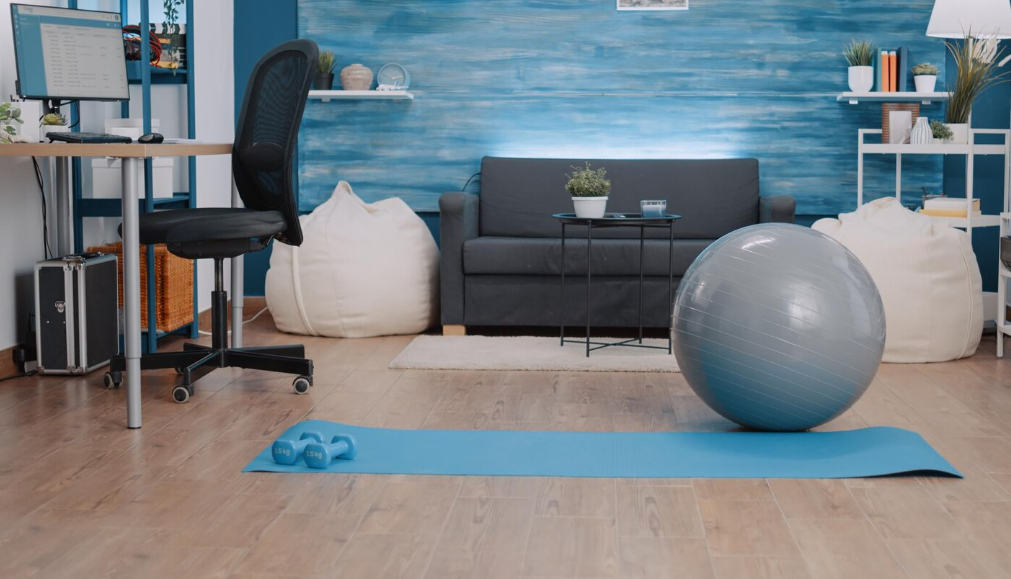
Today, many people expect their living spaces to serve multiple purposes at once. Guest rooms double as offices. Kitchens become workspaces. Living rooms transform into gyms, entertainment areas, and creative studios throughout the day. Even small apartments are increasingly designed with flexibility and adaptability in mind.
Remote Work Changed How Homes Function
One of the biggest reasons multi-purpose spaces became more important is the rise of remote and hybrid work.
Once work entered millions of people’s homes permanently, traditional room layouts suddenly felt less practical. Many households realized they lacked dedicated office space, quiet work areas, or flexible environments that could adapt throughout the day.
As a result, people began redesigning rooms for versatility rather than single functions.
Dining tables became temporary desks. Corners transformed into video call backgrounds. Spare bedrooms evolved into combined office-and-guest-room spaces. Furniture choices increasingly prioritize storage, mobility, and adaptability.
Even people who returned to offices often kept parts of these setups because flexible spaces proved useful beyond work.
The shift changed how people think about square footage itself. Instead of simply wanting larger homes, many people now prioritize homes that use space more efficiently and flexibly.
A smaller room that serves multiple functions can feel more valuable than a larger room used only occasionally.
See The Everyday Items That Quietly Improved Over the Last Decade for flexible home upgrades.
People Want Homes To Support Their Lifestyle
Modern homes are increasingly expected to support many aspects of daily life simultaneously.
Work, exercise, entertainment, hobbies, relaxation, and socializing now happen under the same roof far more often than they once did. As a result, homeowners and renters alike are trying to create spaces that adapt easily to different needs and moods.
This shift aligns closely with broader lifestyle trends emphasizing comfort, convenience, and intentional living.
People want homes that feel emotionally supportive as well as functional. A room may need to function as a workspace during the day while still feeling calming and personal in the evening.
This creates growing interest in modular furniture, hidden storage, fold-away desks, room dividers, and layouts that can shift throughout the day without feeling chaotic.
Importantly, multi-purpose spaces are not always about maximizing productivity. Many people also want room for hobbies, creative projects, wellness routines, or slower rituals such as reading and relaxing.
Homes increasingly function as full lifestyle environments rather than places people return to at night.
Explore The New Rules of Casual Entertaining at Home for more on home spaces.
Smaller Spaces Require Smarter Design
Economic factors also play a major role in the popularity of multi-purpose living spaces.
Housing costs remain high in many cities, and larger homes are often financially unrealistic for many households. As a result, people are becoming more intentional about making smaller spaces work harder.
Instead of adding rooms, many individuals focus on making existing spaces more flexible.
Furniture and storage trends strongly reflect this shift. Foldable furniture, storage ottomans, convertible couches, wall-mounted desks, and modular shelving continue growing in popularity because they allow rooms to adapt without feeling crowded.
Minimal clutter also becomes more important in smaller multi-use spaces. Organized environments help rooms transition smoothly between functions without becoming visually overwhelming.
Social media platforms contributed significantly to this trend by showcasing highly functional, small-space layouts and creative home-organization ideas. Videos featuring compact apartment transformations, hidden storage systems, and dual-purpose furniture attract enormous audiences because they offer practical inspiration for modern living realities.
The appeal is not only visual. It feels emotionally reassuring to see spaces functioning efficiently without sacrificing comfort.
Read The Most Common Household Items People Forget to Replace for practical home maintenance.
Multi-Purpose Spaces Support Slower Living
Interestingly, the rise of flexible living spaces also connects to broader “slow living” and comfort-focused lifestyle trends.
People increasingly spend more time at home intentionally rather than viewing home simply as a place to sleep between obligations. Cozy reading corners, home cafés, workout areas, hobby stations, and relaxation zones reflect growing interest in creating emotionally supportive environments.
A multi-purpose room often becomes more personalized because it supports daily routines across multiple parts of life.
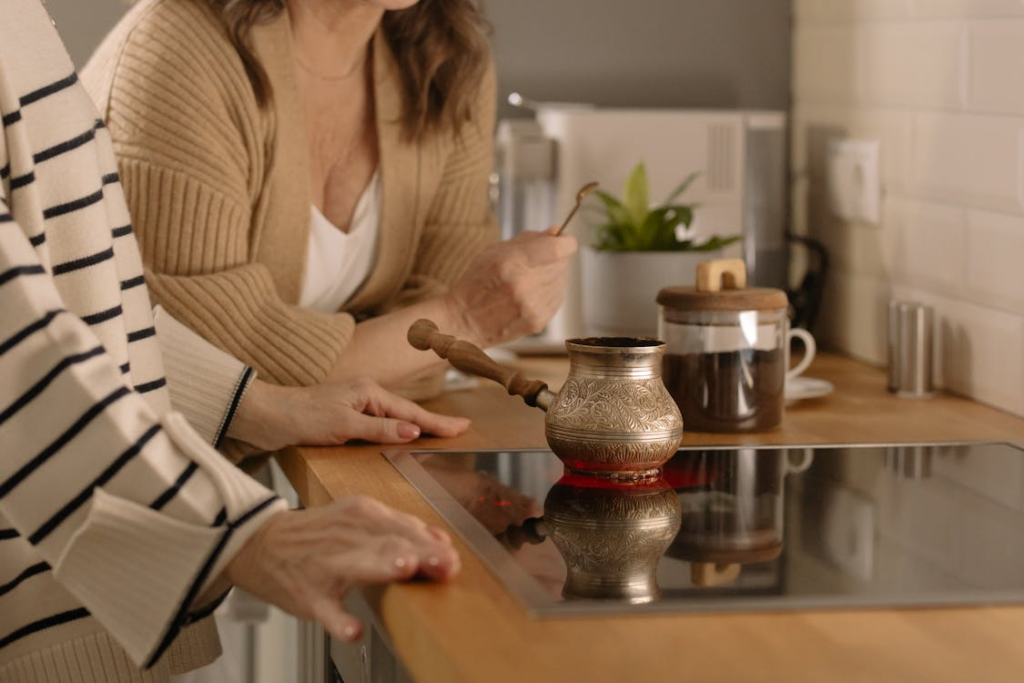
For example, a living room might function as a morning coffee space, an afternoon office, an evening entertainment area, and a nighttime reading retreat. Rather than feeling fragmented, many people now prefer homes that evolve naturally throughout the day.
This flexibility creates a stronger emotional relationship with the home itself.
Many individuals now prioritize comfort, atmosphere, and adaptability over formal room structures that may feel outdated or underused.
The idea of “perfect rooms” designed mainly for appearances has gradually lost appeal for many households.
Learn Why Minimalism Looks Different Than It Did 10 Years Ago to understand less cluttered living.
Why Flexible Living Spaces Will Keep Growing
The growing popularity of multi-purpose living spaces reflects larger cultural shifts surrounding work, economics, and lifestyle priorities.
Modern life increasingly requires adaptability. Homes now serve more roles than they once did, and people want spaces that can evolve alongside changing schedules, routines, and personal needs.
Importantly, this trend is not only about efficiency. It is also about creating homes that feel more useful, calming, and aligned with real daily life.
People no longer want rooms that sit unused most of the time, simply because tradition assigned them a single fixed purpose.
Instead, flexibility itself has become desirable.
As housing costs, remote work, and home-centered lifestyles continue shaping modern culture, adaptable living spaces will likely remain a major priority for both homeowners and renters.
In many ways, the modern home is becoming less about rigid room labels and more about supporting how people actually live day to day.