Knowing which household items to replace regularly can improve cleanliness, comfort, air quality, and even reduce utility costs around the home.
Most people remember to replace obvious household essentials like light bulbs, batteries, or expired food. The items that quietly slip through the cracks are usually the ones people use every day without thinking about them. Over time, these overlooked objects wear down, accumulate bacteria, lose efficiency, or even pose safety risks without attracting much attention.
Many household products are designed to work gradually in the background. Because they fail gradually rather than suddenly, people adapt to declining performance without realizing it.
Kitchen Sponges and Cleaning Tools
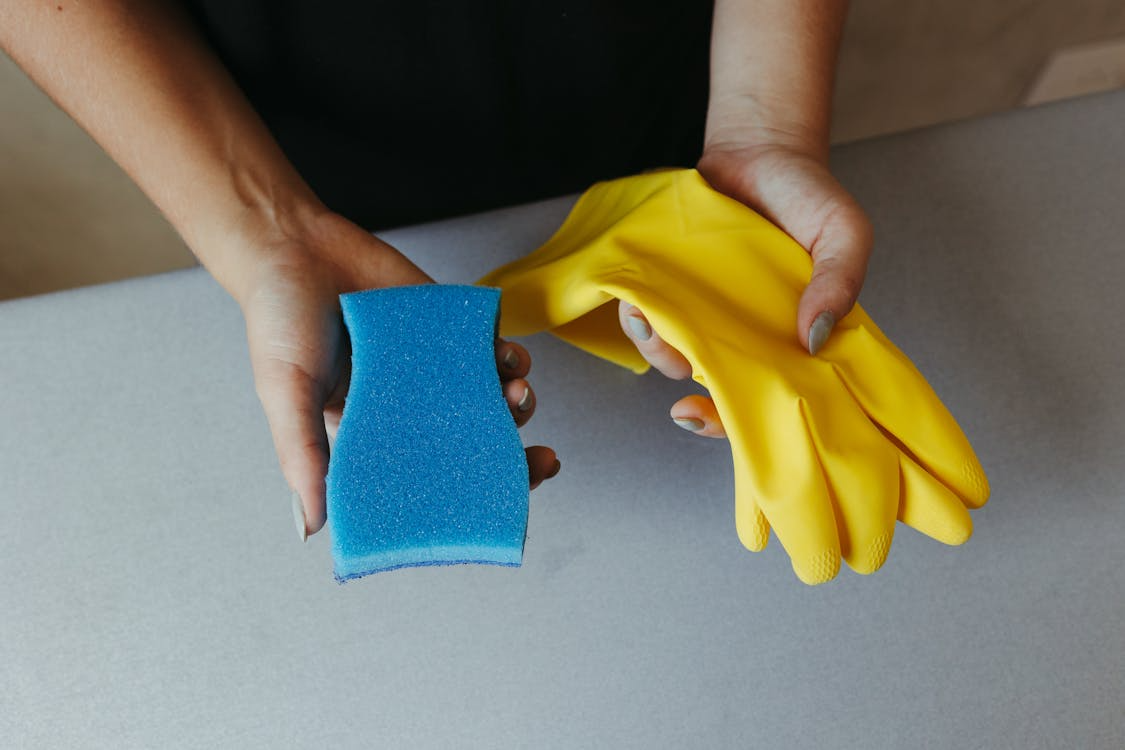
Kitchen sponges are among the dirtiest items in many homes. Even when rinsed regularly, they trap moisture and bacteria deep inside the material. A sponge may still look usable long after it has become unsanitary.
Experts commonly recommend replacing kitchen sponges every one to two weeks, especially in busy households. Dish brushes, scrub pads, and cleaning cloths also deserve regular attention. Once they begin to smell, discolor, or lose shape, they stop cleaning effectively and may spread germs instead of removing them.
Cleaning tools themselves often need cleaning as well. Washing reusable cloths in hot water and allowing brushes to dry thoroughly can slightly extend their lifespan, but eventually replacement becomes necessary.
People often focus heavily on cleaning countertops and sinks while forgetting the tools needed to do the actual cleaning.
See Small Habits That Make Daily Life Feel Easier for practical home routines.
Air Filters and Vent Covers
Air filters are one of the most overlooked household replacements. HVAC filters quietly collect dust, pet hair, pollen, and debris every day. When left unchanged for too long, airflow becomes restricted, forcing heating and cooling systems to work harder.
A clogged air filter can reduce efficiency, worsen indoor air quality, and increase energy bills. Homes with pets, allergies, or dusty environments may need more frequent replacements than expected.
Vent covers also tend to accumulate hidden dust buildup over time. Many homeowners rarely remove and clean them, even though they directly affect the air circulating throughout the home.
Because these systems operate silently in the background, it is easy to forget they need routine maintenance until performance noticeably declines.
Check Everyday Objects That Became Status Symbols for context on culture and symbols.
Pillows, Shower Liners, and Bathroom Basics
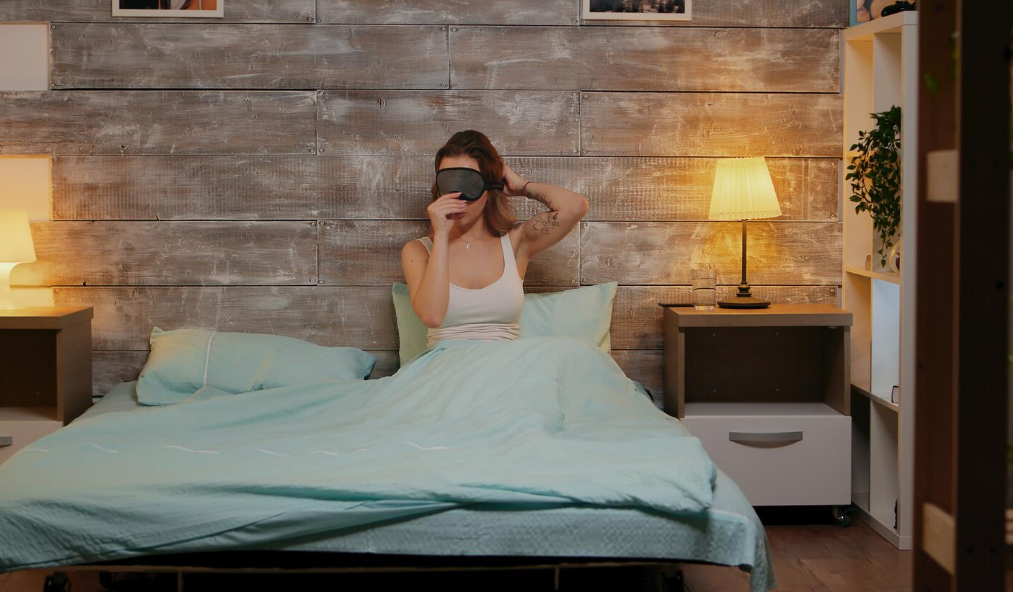
Pillows are another household item people often keep far too long. Over time, pillows collect sweat, oils, dust mites, and allergens while gradually losing support. Even high-quality pillows flatten and become less hygienic with age.
Many sleep experts recommend replacing pillows every 1 to 2 years, depending on the material. If a pillow no longer springs back to its original shape or causes neck discomfort, it is likely overdue for replacement.
Shower liners also tend to stay in bathrooms long after they should be replaced. Soap residue, moisture, and mildew slowly build up even when cleaned regularly. Plastic liners, in particular, can become stained or brittle over time.
Toothbrushes fall into the same category of quietly aging essentials. Frayed bristles clean less effectively, yet many people continue using them for months longer than intended.
These small items rarely seem urgent individually, but together they affect cleanliness and comfort more than most people realize.
Read Why People Are Prioritizing Sleep-Friendly Bedrooms for home comfort updates.
Smoke Detectors and Safety Equipment
Safety equipment is easy to ignore precisely because people hope never to use it. Smoke detector batteries often remain untouched until the device begins chirping in the middle of the night.
However, the entire smoke detectors themselves also need replacement. Many units are designed to function reliably for only about 10 years. Carbon monoxide detectors have similar expiration timelines.
Fire extinguishers should also be inspected periodically. Some lose pressure over time or expire without obvious outward signs. Emergency flashlights, backup batteries, and first-aid supplies frequently sit forgotten in drawers long past their useful lives.
These are the kinds of household items people rarely think about in their daily routines, yet they become critically important during emergencies.
Replacing them before problems arise provides peace of mind that is difficult to appreciate until it matters.
Everyday Comfort Items Wear Out Slowly
One reason forgotten household items go unchanged is that deterioration happens gradually. Towels become less absorbent, cutting boards develop deep grooves, and nonstick pans lose their coating little by little.
People adapt to declining performance without noticing how much better these products worked when new. Replacing worn-out comfort items can make daily routines feel noticeably easier and cleaner almost immediately.
The same applies to mattress protectors, water filters, shower heads, and even extension cords. Small upgrades often improve convenience more than expected because the older versions declined so slowly over time.
Many forgotten household items do not stop functioning entirely. They stop functioning well.
Explore The Everyday Items That Quietly Improved Over the Last Decade for more product upgrades.
Why Replacement Habits Matter
Replacing overlooked household essentials is less about perfection and more about maintaining a healthier, safer, and more comfortable environment over time. Most homes contain dozens of items that quietly support everyday life without drawing attention to themselves.
Creating simple replacement habits can prevent minor problems from becoming frustrating ones later. Some people use seasonal reminders, phone alerts, or annual checklists to track items that are easy to forget.
The goal is not constant upgrading or unnecessary spending. It is simply recognizing that many everyday household products have lifespans, even when they appear functional on the surface.
Often, the things people stop noticing are the very things that need attention most.