In modern culture, status is often communicated less through overt luxury and more through carefully chosen everyday items that reflect aesthetics, habits, or a sense of belonging to certain social trends.
Modern status symbols are no longer limited to luxury cars, designer handbags, expensive watches, or large homes. In modern culture, status is often communicated through carefully chosen everyday items that reflect aesthetics, habits, or a sense of belonging to certain social trends.
Water Bottles Became Lifestyle Statements
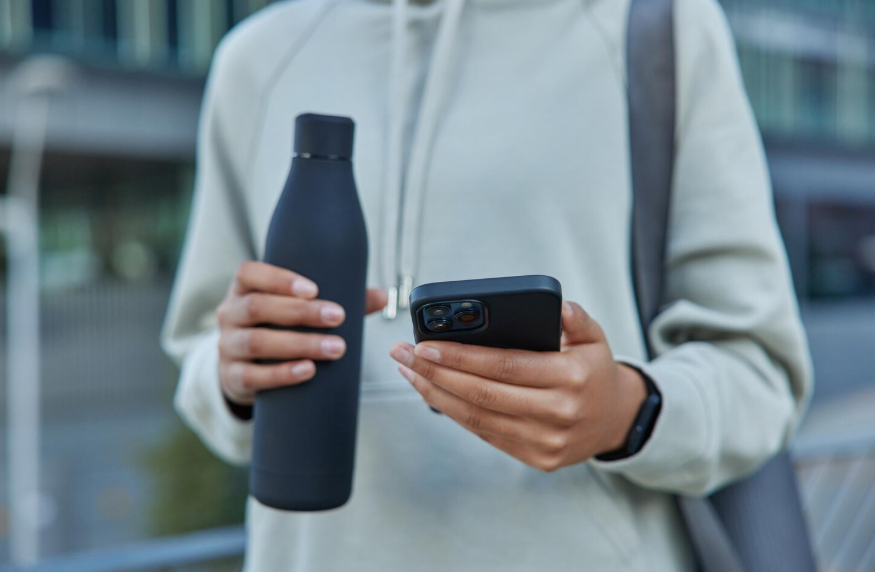
One of the clearest examples of an ordinary object becoming a status symbol is the reusable water bottle. What was once a simple hydration tool evolved into a cultural accessory associated with wellness, productivity, and personal identity.
Certain bottle brands gained enormous popularity partly because they combine functionality with recognizable design. Carrying a specific bottle can subtly signal participation in health-conscious or trend-aware lifestyles.
The rise of insulated bottles also overlaps with broader cultural values around sustainability and self-care. Reusable products became symbols not only of convenience but of environmental awareness and intentional living.
People now personalize water bottles with stickers, accessories, and color coordination in ways that resemble fashion or tech culture more than simple utility.
An everyday object became part of personal branding.
See The Rise of Tiny Luxuries in Everyday Life for more on small upgrades.
Headphones and Earbuds Became Visual Identity Markers
Headphones once existed mainly for private listening. Over time, however, they became highly visible public accessories that communicate style, status, and even social behavior.
Wireless earbuds have become especially recognizable cultural signals. Their visibility in public spaces made them part fashion item, part technology statement, and part lifestyle symbol.
High-end headphones now often imply productivity, travel, creativity, or professional focus. People increasingly associate certain brands with status, just as previous generations associated designer accessories with prestige.
The evolution of headphone design also contributed to this shift. Sleeker aesthetics, minimalist charging cases, and premium materials helped transform practical devices into visually recognizable symbols.
Technology became wearable in a much more socially visible way.
Kitchen Appliances Became Aspirational
Kitchen appliances quietly became some of the most talked-about status objects in households over the last decade. High-end coffee machines, air fryers, stand mixers, and specialty cookware now frequently appear in social media content, home tours, and lifestyle branding.
Part of this shift comes from how cooking evolved culturally. Preparing meals at home increasingly represents wellness, intentional living, and financial responsibility rather than simple necessity.
Coffee culture especially transformed everyday kitchen items into symbols of taste and routine. Espresso machines, premium grinders, and carefully designed mugs now signal lifestyle preferences as much as functionality.
These products often communicate a curated version of adulthood, competence, and comfort.
The kitchen itself became more culturally visible as social media normalized sharing daily routines and home aesthetics online.
Read Why Home Cafés Became a Lifestyle Trend for more on coffee routines at home.
Everyday Bags and Organizers Became Cultural Signals
Backpacks, tote bags, planners, and storage accessories also evolved into subtle markers of identity and status. Certain styles now signal productivity, minimalism, travel culture, fitness lifestyles, or creative professions.
What makes these objects interesting is that they often emphasize practicality rather than luxury. People increasingly admire products that appear thoughtfully functional rather than overtly extravagant.
A well-designed backpack, premium notebook, or organized desk setup can communicate discipline, taste, and intentionality in modern culture.
Even reusable grocery bags became part of this trend. Branded canvas totes and minimalist carry bags often signal environmental awareness, urban culture, or aesthetic preferences.
Many status symbols today appear deliberately understated compared to older forms of conspicuous consumption.
See Why Aesthetic Organization Became So Popular for more on organized modern living.
Home Décor Objects Became More Socially Visible
Social media dramatically increased the visibility of everyday household objects. Candles, blankets, bookshelves, lighting fixtures, desk setups, and even pantry organization systems became part of personal presentation online.
As more people shared images of homes and routines digitally, ordinary objects gained symbolic meaning tied to comfort, taste, and lifestyle aspiration.
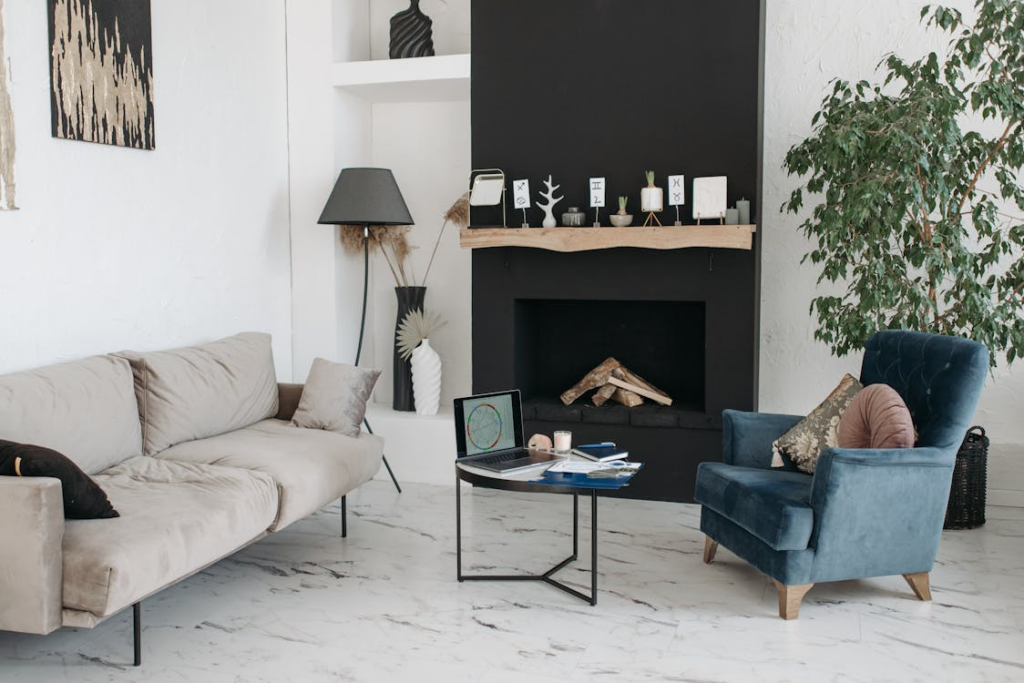
Items associated with “cozy” living became especially influential. Soft lighting, minimalist décor, premium bedding, and carefully arranged spaces now function as subtle status indicators tied to emotional well-being and personal aesthetics.
Unlike traditional luxury symbols, many of these objects prioritize emotional atmosphere over wealth display.
Modern status increasingly revolves around creating environments that appear calm, intentional, and visually pleasing.
Explore Why ‘Cozy’ Became a Full Lifestyle Aesthetic for more on comfort spaces.
Why Modern Status Symbols Changed
The shift toward everyday objects as status symbols reflects broader cultural changes around identity and consumption. Many people today value practicality, wellness, sustainability, and personal comfort more openly than previous generations did.
At the same time, social media has changed how people present their lifestyle choices. Instead of showcasing only rare luxury purchases, people now constantly share their ordinary daily routines and possessions.
This visibility transformed practical objects into cultural signals because small everyday choices became publicly observable in new ways.
Modern status often revolves less around showing excess and more around signaling taste, organization, self-care, or lifestyle alignment.
An insulated water bottle, an ergonomic desk chair, a premium coffee setup, or a sleek pair of headphones may seem ordinary on their own. Yet together, these objects quietly communicate values, priorities, and social identity in ways that older status symbols once did more directly.
In many ways, the most influential modern status symbols are the ones people use every single day.