As larger financial goals become harder for many people to reach, tiny luxuries in everyday life offer a more accessible form of satisfaction and control.
Luxury used to be associated with major purchases and rare experiences. Expensive vacations, designer fashion, and high-end restaurants once defined what most people considered indulgence. Today, however, many people are redefining luxury in much smaller and more personal ways.
Premium coffee beans. A candle that smells comforting after a long day. High-quality skincare. Gourmet chocolate. Soft blankets. Fancy sparkling water. Tiny luxuries have quietly become a major part of modern everyday culture.
These smaller indulgences are not necessarily about wealth or status. In many cases, they are about emotional comfort, stress relief, and creating moments of enjoyment inside ordinary routines.
Why Small Comforts Feel So Important Right Now
Modern life often feels mentally exhausting. Constant notifications, rising costs, packed schedules, and ongoing uncertainty have left many people craving comfort in smaller, manageable ways.
Tiny luxuries help provide that.
Unlike large purchases that require extensive planning or a significant financial commitment, small indulgences feel attainable. A premium coffee drink or a high-quality candle may not completely transform someone’s life, but it can improve the mood of a particular moment.
Psychologically, those moments matter more than they appear.
Small rituals and comforting sensory experiences can create emotional resets throughout the day. They introduce moments of pleasure, calmness, or familiarity into routines that might otherwise feel repetitive or stressful.
For many people, tiny luxuries represent intentional self-care without requiring dramatic lifestyle changes.
This helps explain why people increasingly invest in small upgrades that improve everyday experiences rather than saving exclusively for larger milestones.
See Why Everyday Convenience Now Feels Like a Luxury for a related comfort trend.
Everyday Rituals Have Become More Meaningful
Part of the appeal of tiny luxuries comes from the rituals surrounding them.
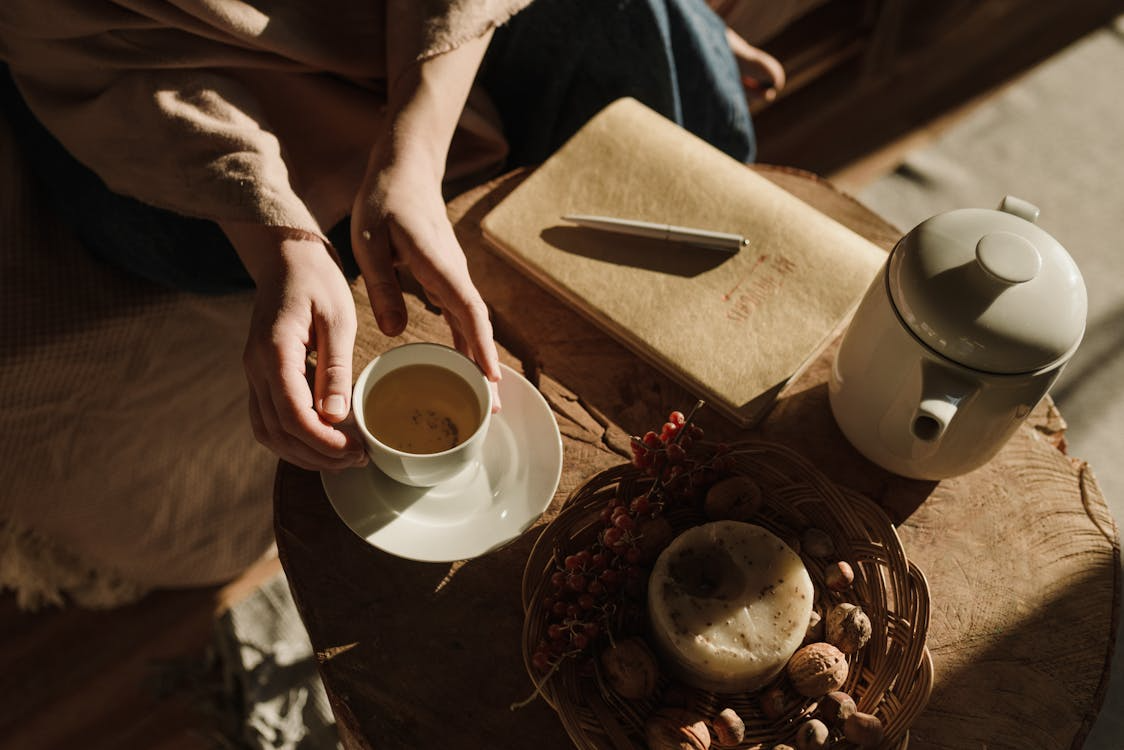
Making coffee slowly in the morning, lighting a candle while reading, using premium skincare at night, or preparing a favorite snack after work can transform ordinary routines into more intentional experiences.
The products themselves matter, but the rituals matter just as much.
Modern culture increasingly values atmosphere, comfort, and mood. People are not simply buying objects; they are creating emotional environments in their daily lives.
This trend appears strongly in social media content as well. Videos focused on quiet routines, cozy evenings, skincare rituals, home cafés, and relaxing nighttime habits continue to attract enormous online audiences.
Many viewers are not necessarily watching because they want identical products. They are drawn to the feeling these routines represent: calmness, softness, and emotional ease.
Tiny luxuries allow people to romanticize ordinary life in affordable and accessible ways.
Read Why More People Are Choosing ‘Quiet Mornings’ Over Productivity Hacks for another routine shift.
Affordable Indulgence Feels Easier to Justify
Economic factors also play a major role in the rise of small luxuries.
Large purchases such as homes, major vacations, or luxury goods have become increasingly difficult for many people to afford comfortably. In response, spending habits have shifted toward smaller experiences that still provide emotional reward.
Buying a premium dessert, upgrading bath products, or purchasing better coffee beans can feel satisfying without creating major financial stress.
In some ways, tiny luxuries function as manageable forms of optimism. They offer people ways to enjoy the present even when larger financial goals feel distant or uncertain.
This does not necessarily mean people are spending recklessly. Many are actually becoming more selective about where they spend money overall.
Instead of accumulating large amounts of unnecessary products, people increasingly focus on a few smaller items that noticeably improve daily routines or emotional comfort.
The emphasis shifts from quantity toward experience.
Check How Grocery Shopping Habits Have Changed for related spending habits.
Social Media Helped Normalize Tiny Luxuries
Social media has also contributed significantly to this trend.
Platforms filled with cozy lifestyle content, aesthetic routines, and “little treat” culture have normalized the idea that small comforts deserve attention and celebration. Simple pleasures that once seemed insignificant are now framed as meaningful parts of everyday well-being.
Importantly, many of these trends emphasize accessibility rather than exclusivity.
A comforting drink, soft lighting, fresh flowers, or a relaxing shower routine feels achievable for a much wider audience than traditional luxury marketing does. The focus is less about impressing others and more about personal enjoyment.
This shift reflects changing attitudes toward consumption overall. Increasingly, people value emotional experience over status signaling.
A beautifully organized reading corner or favorite tea ritual may now feel more rewarding to someone than owning expensive items designed primarily for display.
Comfort itself has become aspirational.
Explore Why People Are Romanticizing Ordinary Life for a similar lifestyle trend.
Why Tiny Luxuries Are Likely Here to Stay
The popularity of tiny luxuries reflects broader cultural shifts surrounding stress, emotional well-being, and modern lifestyle priorities.
People increasingly want daily life to feel softer, calmer, and more enjoyable. Small comforts help create that feeling without requiring major lifestyle overhauls or unrealistic spending.
Tiny luxuries also fit naturally into modern routines because they are flexible. They can be adapted to different budgets, personalities, and lifestyles without feeling rigid or exclusive.
Most importantly, they remind people that enjoyment does not always need to come from extraordinary experiences.
Sometimes, the smallest moments, a favorite candle, a warm drink, clean sheets, or a quiet evening routine, can have the biggest emotional impact.
In a fast-moving world filled with stress and overstimulation, small comforts often feel surprisingly powerful.