People are actively seeking more face-to-face interaction, local identity, and real-world connections after years of increasingly digital lifestyles.
Not long ago, many people assumed local community events were slowly disappearing. Shopping moved online, entertainment became digital, and social interaction increasingly shifted onto phones and social platforms. Yet across cities, suburbs, and small towns, neighborhood events are experiencing a noticeable revival.
Farmers’ markets are expanding. Trivia nights are packed again. Community festivals, outdoor movie nights, flea markets, and block parties are drawing larger crowds. Even small local gatherings that once struggled to attract attendees are suddenly thriving.
The renewed popularity of neighborhood events reflects something deeper than entertainment.
Why People Crave Offline Social Connection
Digital communication makes staying connected easier than ever, yet many people still report feeling isolated or socially disconnected. Text messages, group chats, and social feeds often create the appearance of connection without delivering the emotional experience of actually spending time together.
Neighborhood events help fill that gap.
Unlike heavily planned social commitments, local gatherings tend to feel casual and accessible. People can walk through a market, attend a concert in the park, or join a trivia night without the pressure of formal invitations or elaborate planning.
This low-pressure atmosphere makes community events especially appealing right now. Many people want social interaction that feels easy, spontaneous, and grounded in shared physical spaces.
Even brief conversations with neighbors, vendors, musicians, or other attendees can create a stronger sense of belonging than hours spent online.
In many ways, local events are becoming an antidote to digital fatigue and social fragmentation.
See The Evolution of Modern Friendship Rituals for changing social habits.
Small Local Experiences Feel More Meaningful
Part of the appeal of neighborhood events is their scale. Massive festivals and crowded tourist attractions can feel overwhelming, expensive, and impersonal. Smaller local gatherings often feel more comfortable and emotionally rewarding.
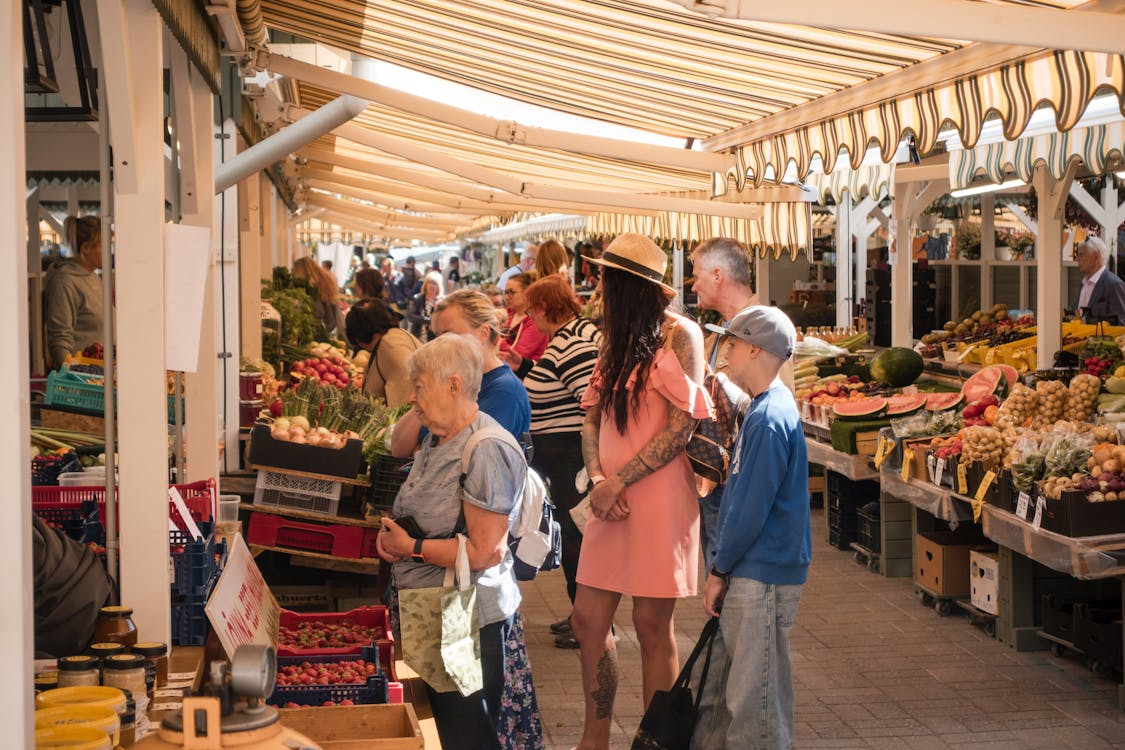
A neighborhood farmers’ market, for example, is not only about shopping. It creates familiar routines and recurring interactions. People recognize vendors, see neighbors repeatedly, and begin associating certain spaces with comfort and familiarity.
The same pattern appears with local coffee shop events, community classes, seasonal festivals, and outdoor concerts.
These smaller experiences often feel more personal because they are tied directly to where people live. They create a sense of local identity that large-scale digital culture sometimes lacks.
Many people increasingly value experiences rooted in real places and communities rather than generic online spaces.
This helps explain why terms like “community,” “local,” and “neighborhood” now carry a stronger emotional appeal than they did several years ago.
Explore Why People Are Obsessed With Tiny Escapes for more on small experiences.
Neighborhood Events Support Mental Well-Being
There is also a psychological reason local events are becoming more attractive. Human beings generally benefit from repeated social exposure, familiar environments, and shared public spaces.
Neighborhood gatherings naturally encourage all three.
Research consistently shows that regular social interaction improves emotional well-being, reduces loneliness, and strengthens community trust. Even relatively small interactions, such as greeting familiar faces or casually chatting with strangers, can positively affect mood and mental health.
Public events also create opportunities for unstructured social experiences, something modern life increasingly lacks.
Many social interactions today are highly scheduled, work-related, or mediated through screens. Neighborhood events allow people to interact more organically without constant urgency or productivity attached to the experience.
This may be one reason younger generations are increasingly drawn to events that emphasize atmosphere and connection rather than pure entertainment value.
Sometimes people want places where they can exist around others without pressure.
Local Businesses Benefit From Community Gatherings
The comeback of neighborhood events is also closely connected to local businesses and community economies.
Farmers’ markets help small farms and food vendors reach customers directly. Street fairs introduce people to independent artists, shops, and restaurants. Trivia nights and live music help local cafés and breweries attract regular visitors.
Many communities have realized that local events do more than entertain. They strengthen neighborhood ecosystems.
People who attend local events often become more invested in supporting nearby businesses and public spaces afterward. A community that gathers together regularly tends to feel more connected overall.
There is also growing appreciation for experiences that feel unique to a particular area rather than identical to every other city or shopping center.
As a result, many towns and neighborhoods are intentionally investing more in walkable gathering spaces, outdoor markets, and recurring community events designed to bring people together.
Read The Reinvention of Mall Culture to understand changing public spaces.
Why This Trend May Continue Growing
The growing popularity of neighborhood events reflects broader cultural changes in modern life.
People increasingly want experiences that feel tangible, local, and emotionally grounding. After years of digital overload, many are rediscovering the value of simple in-person interaction and shared public experiences.
Neighborhood events offer something that algorithms and streaming platforms cannot fully replicate: a sense of place.
They create moments of unpredictability, casual conversation, and community familiarity that feel increasingly valuable in highly individualized digital environments.
Importantly, these gatherings do not require people to disconnect from modern technology completely. Instead, they provide balance by reintroducing physical spaces and human interaction into everyday routines.
Whether it is a farmers’ market on a Saturday morning, a neighborhood movie night, or a small community festival, these events remind people that connection often happens closest to home.
Learn Why More Families Are Choosing Flexible Traditions for more on community routines.