
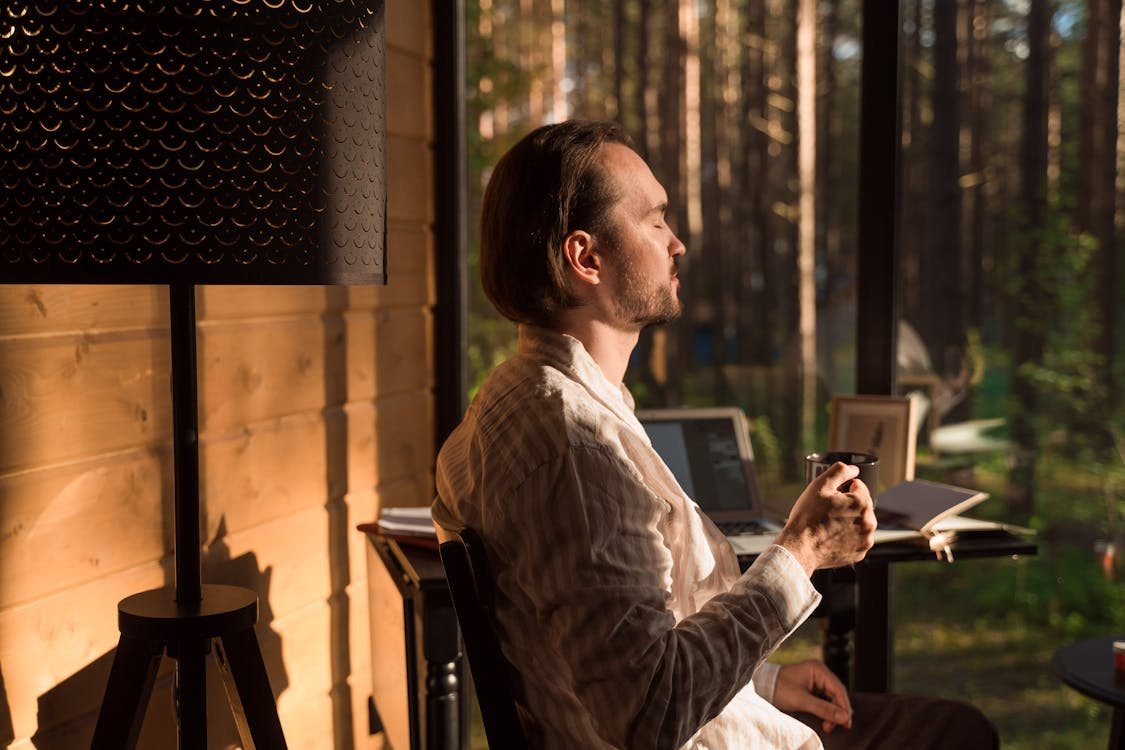
The appeal of short getaways for stress relief reflects changing attitudes about travel, stress, time, and what people actually want from leisure experiences.
Not every getaway needs to involve airports, week-long itineraries, or expensive resorts. Increasingly, people are becoming obsessed with “tiny escapes,” short, low-pressure breaks that provide a quick mental reset without requiring major planning or disruption. Weekend cabin stays, overnight road trips, nearby beach visits, small-town exploring, and even staycations have grown enormously popular as people search for manageable ways to recharge.
People Want Relief Without Exhaustion
One reason tiny escapes became so appealing is that traditional vacations can sometimes feel surprisingly stressful. Long flights, packed schedules, budgeting concerns, crowded attractions, and complicated logistics may leave people needing recovery time after the trip itself.
Tiny escapes offer a different kind of experience. They prioritize ease, simplicity, and emotional reset over ambitious sightseeing or nonstop activity.
A short cabin trip, quiet beach weekend, or overnight stay in a nearby town often feels more manageable than coordinating an elaborate vacation months in advance.
Many people increasingly value experiences that create calm instead of pressure.
The goal is not necessarily adventure or productivity. Often, it is simply stepping outside normal routines long enough to feel mentally refreshed.
See How ‘Soft Travel’ Changed Vacation Planning for a similar slow travel shift.
Time Constraints Changed Travel Habits
Modern schedules also play a major role in the popularity of tiny escapes. Many people struggle to take long stretches away from work, family responsibilities, or financial obligations.
Short trips fit more easily into modern lifestyles because they require fewer vacation days, lower budgets, and less extensive planning. A quick weekend getaway feels attainable even for people with demanding schedules.
Remote and hybrid work arrangements contributed to this trend as well. Some travelers now blend work and leisure by extending their weekends or temporarily working from quieter nearby locations.
Instead of waiting for one large annual vacation, many people now prefer multiple smaller breaks spread throughout the year.
These shorter escapes often feel emotionally sustainable because they integrate more naturally into everyday life.
Read Why Everyday Convenience Now Feels Like a Luxury for more lifestyle trends.
Tiny Escapes Emphasize Atmosphere Over Itineraries
Another reason small getaways became so popular is that people increasingly prioritize atmosphere and feeling over packed travel schedules. Cozy cabins, lakeside rentals, boutique motels, forest retreats, and small cafés often matter more than checking famous landmarks off a list.
Tiny escapes usually focus on slower experiences. Reading outdoors, visiting local shops, hiking quietly, trying a neighborhood restaurant, or simply sleeping in can become the entire purpose of the trip.
This shift overlaps strongly with the broader rise of cozy culture and slow living. People increasingly value leisure experiences that feel restorative rather than overstimulating.
Many travelers now intentionally avoid tightly packed itineraries because constant movement can feel emotionally draining instead of enjoyable.
Relaxation itself became the destination.
Explore Why ‘Cozy’ Became a Full Lifestyle Aesthetic across comfort-led culture.
Social Media Helped Popularize Small Getaways
Social media also contributed heavily to the popularity of tiny escapes. Platforms filled with images of cabins, mountain towns, coffee shops, scenic drives, bookstores, hot tubs, and cozy rentals made smaller-scale travel feel aspirational.
Unlike luxury vacations that may seem financially out of reach, tiny escapes often seem more realistic and emotionally accessible to a wider audience.
Short local trips also generate visually appealing content without requiring major travel budgets. A quiet weekend in a nearby town can still feel aesthetically rich and emotionally meaningful online.
At the same time, social media increased awareness of hidden destinations close to home. People now constantly discover local inns, hiking trails, roadside diners, boutique rentals, and small festivals through creator content and travel recommendations.
The internet helped people romanticize places they previously overlooked.
Nature and Quiet Became More Valuable
Many tiny escapes center around nature because people increasingly crave quieter environments away from screens, traffic, and constant stimulation.
Cabins, campgrounds, national parks, lakeside towns, desert retreats, and rural escapes all offer temporary relief from crowded digital lifestyles. Even brief exposure to nature and slower environments can feel mentally restorative.
This trend reflects growing awareness of burnout and overstimulation. Many people now intentionally seek silence, slower pacing, and physical distance from daily routines.
Tiny escapes often succeed precisely because they lower expectations. There is less pressure to maximize every hour or constantly document major attractions.
The emotional appeal comes from simplicity and temporary disconnection rather than spectacle.
Check Why More People Are Choosing ‘Quiet Mornings’ Over Productivity Hacks for a related slower routine.
Why Tiny Escapes Continue Growing
The obsession with tiny escapes reflects broader cultural shifts around stress, time, and emotional well-being. People increasingly recognize that rest does not always require elaborate travel plans or major spending.
Sometimes a brief change of environment is enough to interrupt routines, reduce mental fatigue, and restore perspective.
Tiny escapes also feel achievable during uncertain economic periods because they offer many of the emotional benefits of travel without the same level of financial commitment or planning complexity.
Most importantly, these smaller getaways fit modern lifestyles more naturally. They acknowledge that many people want moments of recovery woven throughout life rather than postponed indefinitely for rare, large vacations.
In a culture that often feels rushed and overstimulated, tiny escapes offer something increasingly valuable: a small, temporary pause from everything else.