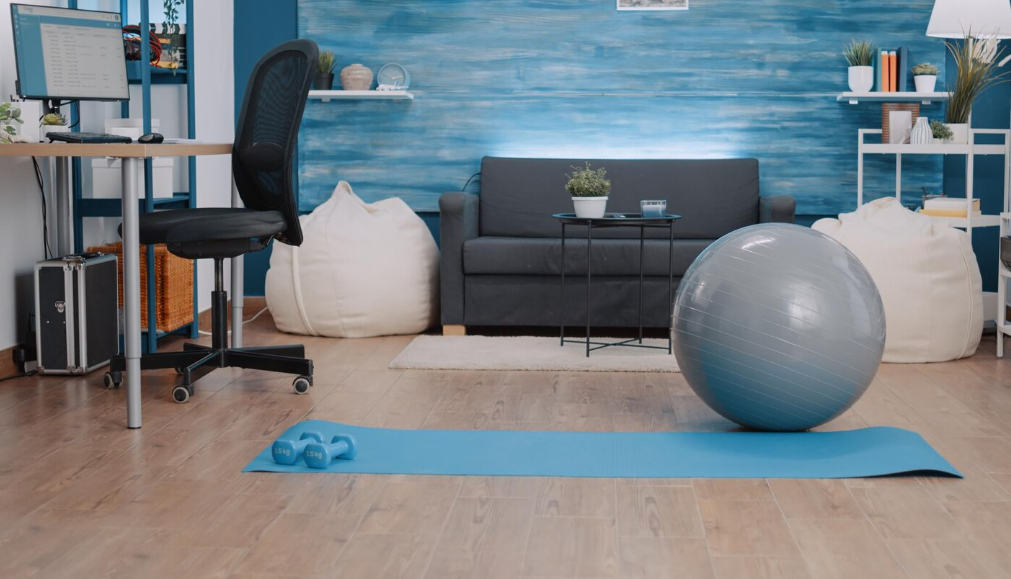

Rather than trying to “win the morning,” people increasingly want a calming morning routine that feels peaceful, grounded, and manageable.
For years, mornings were treated like performance tests. Wake up at 5 a.m. Drink a specific smoothie. Meditate for exactly ten minutes. Read twenty pages. Journal. Exercise. Optimize every second before sunrise. The idea was simple: if you mastered your mornings, you could master your life.
Lately, though, many people seem to be moving in the opposite direction.
Instead of chasing hyper-structured routines, more people are embracing slower, quieter mornings that feel calm instead of productive. The shift reflects growing burnout with hustle culture and constant self-optimization.
The Shift Away From Hyper-Optimization
The rise of productivity culture once made morning routines feel almost competitive. Social media feeds became filled with elaborate routines involving cold plunges, supplements, strict schedules, and endless habit stacking.
Over time, however, many people realized that these routines often created pressure rather than clarity. A morning that began with stress about checking every box could leave people feeling behind before the day even started.
Quiet mornings reject that mentality. Instead of treating mornings like a productivity challenge, people are prioritizing gentler experiences, slower pacing, and reduced stimulation. The goal is no longer to maximize output every minute; it is to create a calmer mental starting point for the day ahead.
This shift also reflects broader conversations about burnout, stress, and mental overload. After years of constant notifications, endless scrolling, and packed schedules, many people are intentionally choosing softer routines that help them feel more emotionally regulated.
See The Evolution of ‘Weekend Culture’ on changing rest habits.
What a “Quiet Morning” Actually Looks Like
A quiet morning does not necessarily mean waking up at dawn or living a perfectly minimalist lifestyle. In most cases, it simply means reducing noise, urgency, and overstimulation during the first part of the day.
For some people, that means avoiding their phone for the first thirty minutes after waking up. Others make coffee slowly, sit outside for a few minutes, stretch, read, or move through the morning without rushing.
The routines themselves are often simple and flexible. That flexibility is part of the appeal.
Unlike rigid productivity systems, quiet mornings are less about discipline and more about atmosphere. People are building routines that feel comforting rather than performative. The experience matters more than efficiency.
Even small adjustments can dramatically change the tone of a morning. Lower lighting, softer music, fewer notifications, or giving yourself extra time before work can make mornings feel noticeably calmer.
Explore The Everyday Sounds People Find Relaxing Now alongside calmer routines.
Why Lower Stimulation Feels So Appealing
Modern life is loud. Phones buzz constantly, apps compete for attention, and many people wake up immediately confronted by emails, news alerts, and social media updates.
Quiet mornings create a temporary buffer from that noise.
Psychologically, this matters more than many people realize. The brain is highly reactive during the first moments after waking. Jumping directly into stress or stimulation can increase feelings of anxiety and mental fatigue throughout the day.
By contrast, slower mornings often help people feel more emotionally steady and focused. There is less sense of being immediately “on call” for the world.
Many people also report that quiet mornings feel more personal. Productivity routines often revolve around external achievement, while slower mornings create space for internal reflection, comfort, or simply existing without immediate demands.
This may explain why trends like cozy home cafés, journaling, walking, reading, and intentional routines have become so popular alongside the quiet morning movement. They all reflect a similar desire for calm and emotional softness in everyday life.
Read Why People Are Prioritizing Sleep-Friendly Bedrooms on rest-friendly spaces.
Practical Ways to Create a Quieter Morning
Creating a quieter morning does not require waking up two hours earlier or completely redesigning your life. In fact, the trend works best when it feels realistic and sustainable.
One of the simplest changes is delaying phone use after waking up. Even ten or fifteen minutes without notifications can create a calmer mental transition into the day.
Another helpful adjustment is preparing small comforts ahead of time. Setting out coffee supplies, choosing clothes the night before, or keeping a favorite blanket nearby can reduce friction and make mornings feel easier.
Some people create quiet by lowering sensory input. Softer lighting, calmer music, or avoiding television and constant scrolling can dramatically shift the mood of a morning.
Others focus on adding one intentional activity rather than stacking multiple habits. A short walk, reading a few pages of a book, or sitting outside for a few minutes can become a grounding ritual without turning into another task list.
The key is not perfection. Quiet mornings work because they remove pressure, not because they introduce another rigid system to follow.
Why This Trend May Continue Growing
The popularity of quiet mornings reflects a larger cultural shift away from relentless optimization. Increasingly, people are questioning whether every part of life needs to be maximized for productivity.
Rest, calmness, and emotional balance are becoming priorities instead of afterthoughts.
In many ways, quiet mornings represent a small form of resistance against overstimulation. They create space to begin the day more intentionally rather than reactively.
That does not mean productivity disappears entirely. Most people still have responsibilities, schedules, and goals. The difference is that many no longer want their entire identity tied to constant efficiency.
Instead of asking, “How much can I accomplish before 8 a.m.?” more people now seem to be asking a different question: “How do I want my day to feel?”
Learn How Everyday Fashion Became More Practical on comfort-first lifestyle shifts.