Changing weekend culture means the weekend increasingly serves as an emotional reset rather than simply free time.
Weekends once carried a fairly predictable rhythm. Friday nights were for going out, Saturdays were packed with errands or social plans, and Sundays often centered around rest before returning to work or school. While those patterns still exist, modern weekend culture has evolved significantly over the last decade.
Today, weekends look very different for many people. Instead of nonstop activity and packed schedules, more individuals are prioritizing recovery, hobbies, quiet routines, flexible plans, and intentional downtime.
Rest Became More Valuable Than Constant Activity
One of the biggest shifts in weekend culture is the growing desire for genuine rest. Modern work culture, digital connectivity, and constant notifications often leave people mentally exhausted by the time the weekend arrives.
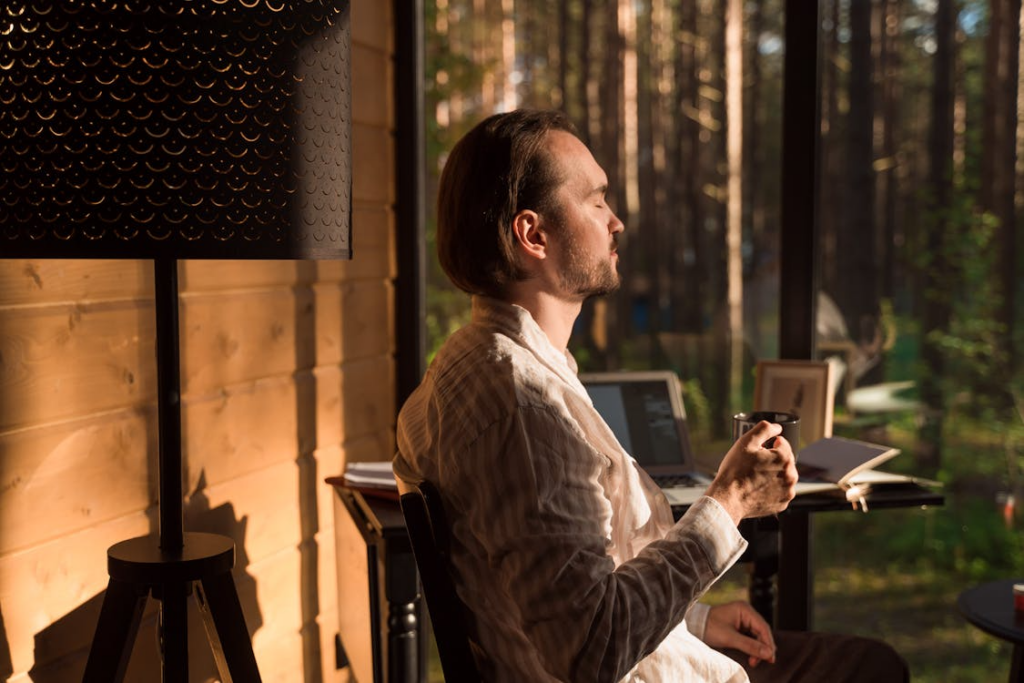
As a result, many individuals no longer want weekends filled with obligations or nonstop social activity. Quiet mornings, sleeping in, staying home, reading, gaming, watching comfort television, or spending time outdoors became far more socially accepted forms of leisure.
This shift reflects broader conversations around burnout and overstimulation. People increasingly recognize that free time does not need to be highly productive to feel valuable.
Relaxation itself became something people intentionally protect.
For many households, weekends now function as recovery periods for mental and emotional energy, not just entertainment opportunities.
See Why More People Are Choosing ‘Quiet Mornings’ Over Productivity Hacks for slower routine shifts.
Home-Centered Weekends Became More Common
Another major evolution is the much greater time people spend at home on weekends compared to previous generations. Streaming entertainment, gaming, online shopping, remote work setups, and comfort-focused home environments all contributed to this shift.
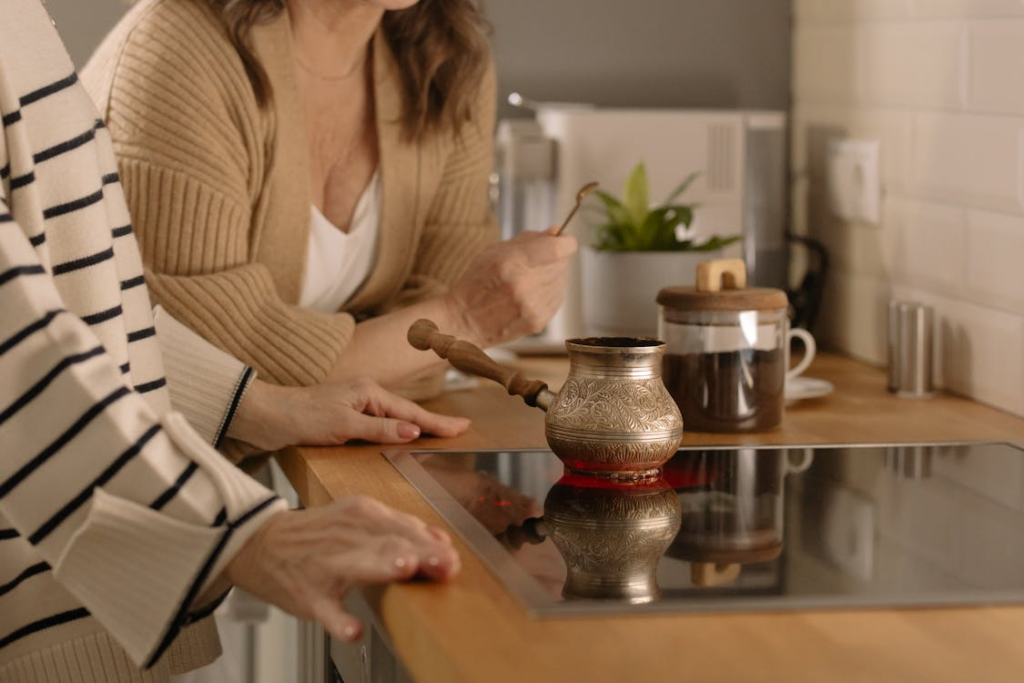
Many people now actively enjoy staying home rather than viewing it as a sign of boredom or missing out. Cozy routines, home cafés, cooking projects, backyard gatherings, and hobby spaces transformed homes into leisure destinations themselves.
This does not necessarily mean people became less social. Instead, socializing often shifted to lower-pressure environments centered on comfort and familiarity.
Small dinners, movie nights, gaming sessions, and casual hangouts increasingly replaced highly structured outings or expensive nightlife for many adults.
The idea of a “successful” weekend became more personal and less performance-driven.
Read The New Rules of Casual Entertaining at Home for relaxed home gathering ideas.
Weekend Errands Became Part of Lifestyle Culture
Errands and practical tasks also evolved culturally. Grocery shopping, farmers’ markets, organizing spaces, meal prep, gardening, and household projects are now often framed as satisfying weekend rituals rather than pure chores.
Part of this shift stems from social media, where ordinary routines have become aesthetically and emotionally meaningful online. Sunday resets, pantry organization, café visits, and productive mornings now function almost like lifestyle categories.
For many people, weekends blend productivity and leisure more fluidly than they once did.
Completing practical tasks can feel emotionally rewarding when paired with slower pacing, music, comfort, or intentional routines.
Modern weekend culture often emphasizes balance rather than a strict separation between work and relaxation.
Explore How Grocery Shopping Habits Have Changed for everyday errand changes.
Hobbies Became Central to Weekend Identity
Hobbies also play a much larger role in modern weekend culture than they did during certain earlier periods dominated heavily by work-centered identity.
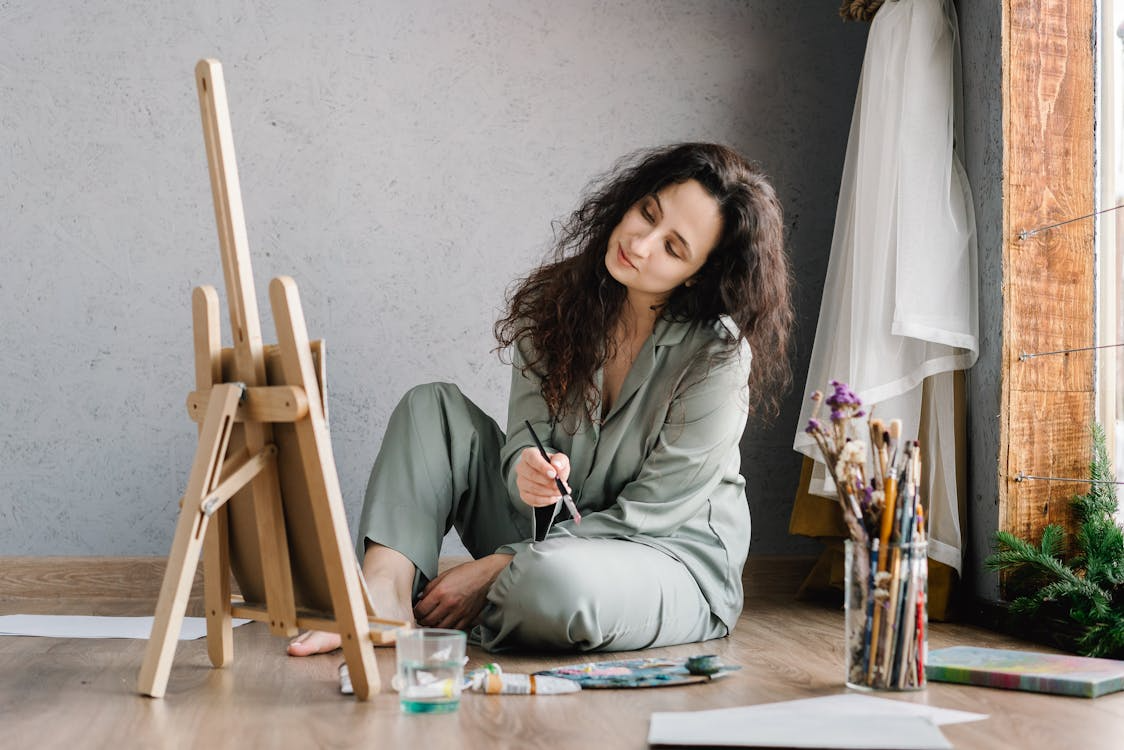
Painting, gaming, crafting, fitness classes, hiking, reading, baking, photography, collecting, and other recreational interests increasingly shape how people spend free time.
Many adults now view hobbies as important forms of stress relief, identity expression, and emotional recovery rather than purely recreational distractions.
This trend overlaps strongly with the rise of “learning for fun” and cozy culture. Weekends increasingly provide opportunities to reconnect with interests that feel personally fulfilling outside work obligations.
The growing popularity of niche online communities also helped normalize hobby-focused lifestyles across many age groups.
People increasingly want weekends that feel personally restorative, not just socially impressive.
Technology Changed Weekend Expectations
Technology reshaped weekends in complicated ways. On one hand, streaming services, food delivery, digital entertainment, and social media created countless new ways to relax and connect from home.
On the other hand, constant connectivity blurred boundaries between workdays and weekends. Emails, notifications, group chats, and digital responsibilities often follow people into their supposed downtime.
As a result, many individuals now intentionally create “slower” weekend routines to counterbalance digital overload. Phone-free mornings, outdoor activities, reading, and offline hobbies all became more appealing, partly because people crave relief from constant screen exposure.
The modern weekend often involves actively trying to reclaim mental space from digital demands.
Rest increasingly requires intention rather than happening automatically.
Check How People Are Building Better Phone Boundaries for digital boundary shifts.
Why Weekend Culture Continues Evolving
The evolution of weekend culture reflects broader changes in how people think about work, wellness, leisure, and emotional balance. Older versions of weekends often emphasized activity, social obligation, or productivity. Modern weekends increasingly emphasize recovery, flexibility, comfort, and intentional living.
People today appear more willing to define weekends according to personal needs rather than traditional expectations. Some still seek adventure and social activity, while others prioritize quiet routines and rest.
Neither approach is necessarily viewed as better anymore. The larger shift is that people increasingly value weekends that feel emotionally sustainable.
In a culture where many individuals feel constantly connected and mentally overloaded, weekends are becoming less about doing more and more about feeling better.
That may be the biggest change of all.