Casual entertaining at home used to feel harder because hosting came with a long list of expectations. Perfectly cleaned houses, carefully planned meals, matching decorations, elaborate table settings, and highly structured gatherings often defined what entertaining was supposed to look like.
Today, however, the culture around hosting has changed dramatically.
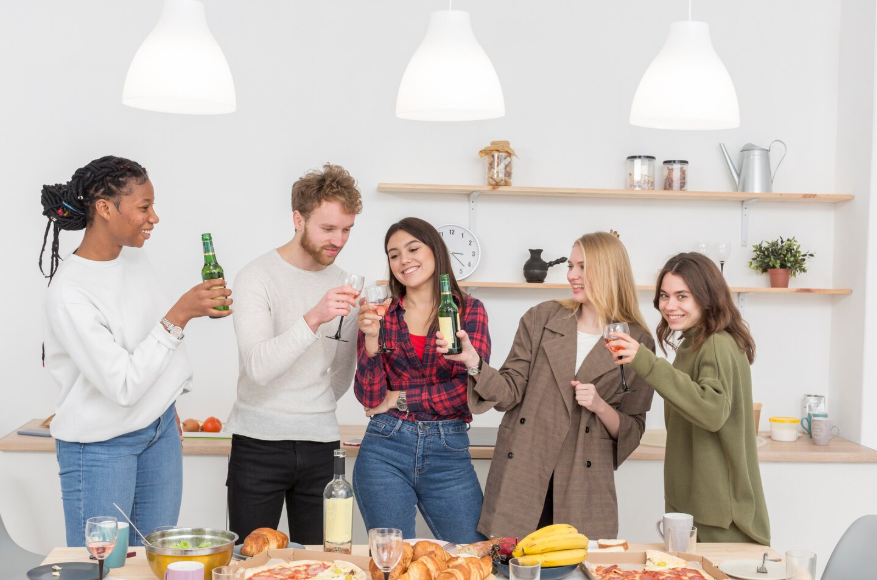
More people are embracing casual entertaining that prioritizes comfort, simplicity, and genuine connection over perfection. Potluck dinners, snack boards, backyard hangs, themed movie nights, and low-pressure gatherings have become increasingly common. Instead of trying to impress guests with flawless presentation, many hosts now focus on creating environments that feel relaxed and welcoming.
The shift reflects broader cultural changes surrounding stress, authenticity, and how people want social experiences to feel in modern life.
Perfectionism Lost Its Appeal
One major reason casual entertaining has become more popular is that many people feel exhausted by perfectionism.
Social media once intensified pressure around hosting by showcasing highly curated parties, spotless homes, and elaborate event styling. Over time, however, many people began rejecting the idea that every gathering needed to look professionally designed.
Hosting started to feel intimidating instead of enjoyable.
As a result, people increasingly moved toward simpler gatherings that feel emotionally manageable and realistic. Ordering takeout, occasionally using paper plates, asking guests to bring food, or leaving parts of the house imperfectly styled no longer carry the same social stigma they once did.
Many guests actually prefer these lower-pressure environments because they feel more authentic and comfortable.
The emphasis shifted from presentation toward atmosphere.
People increasingly remember whether a gathering felt warm, relaxed, and enjoyable rather than whether every decorative detail matched perfectly.
In many ways, casual entertaining reflects growing cultural resistance to performative lifestyles overall.
Read Why ‘Cozy’ Became a Full Lifestyle Aesthetic for insight into hosting culture.
Comfort Became More Important Than Formality
Modern entertaining trends increasingly prioritize comfort over tradition.
Guests often prefer relaxed seating arrangements, casual food options, flexible schedules, and low-pressure environments rather than highly formal dinner parties or rigid social expectations.
This shift appears in everything from food choices to home design.
Shared snack boards, self-serve drink stations, outdoor seating, cozy lighting, and mixed seating areas create environments where people can move naturally and socialize comfortably, rather than following strict hosting structures.
Even dress codes became more relaxed. Gatherings centered on comfort, movie nights, backyard fires, game nights, or casual brunches often feel more emotionally appealing than highly formal events that require extensive preparation.
The emotional tone matters more than traditional etiquette.
Many people now view hosting as an opportunity to create connection and ease rather than demonstrate status or domestic perfection.
This approach also makes entertaining feel more accessible for people with busy schedules, smaller homes, or limited budgets.
See The Growing Popularity of ‘Third Places’ for low-pressure gathering spaces.
Home Gatherings Feel More Personal
Another reason casual entertaining continues growing is that people increasingly value smaller, more meaningful social experiences.
Large events and crowded venues can feel overstimulating or emotionally draining after long workweeks and constant digital interaction. Home gatherings often provide quieter, more intimate alternatives.
Small dinner parties, hobby nights, game evenings, or simple coffee gatherings create opportunities for deeper conversation and stronger connections.
The home environment itself also contributes to the appeal. Hosting at home allows people to create spaces that reflect their personality and routines rather than relying entirely on commercial social environments.
This aligns closely with broader lifestyle trends emphasizing coziness, intentional living, and emotionally comforting spaces.
Importantly, modern hosting often revolves around shared participation rather than performance. Guests may help cook, bring snacks, contribute playlists, or participate in activities together rather than passively attending polished events.
That collaborative atmosphere tends to feel more relaxed and socially equal.
The gathering becomes less about impressing people and more about spending time together comfortably.
Explore The Evolution of Modern Friendship Rituals for insight into casual connections.
Social Media Helped Normalize Casual Hosting
Interestingly, social media both contributed to hosting pressure and helped dismantle it.
While earlier online lifestyle trends often emphasized highly curated perfection, newer content increasingly celebrates realistic and cozy entertaining. Casual dinner parties, imperfect tablescapes, backyard gatherings, and “messy but welcoming” homes now receive positive attention online because they feel approachable and emotionally authentic.
Videos focused on simple hosting ideas, low-effort meals, candlelit snack nights, and cozy gatherings continue attracting large audiences because they represent connection without excessive stress.
Many people now openly discuss “host anxiety” and the pressure associated with traditional entertaining standards. This honesty helped normalize simpler approaches to social gatherings.
As a result, modern entertainment increasingly emphasizes emotional comfort over visual perfection.
Even terms like cozy, effortless, casual, and low-key now carry strong positive social associations when used to describe gatherings.
The atmosphere itself often matters more than the event structure.
Why Casual Entertaining Will Likely Keep Growing
The rise of casual entertaining reflects broader cultural shifts around stress, authenticity, and social connection.
People increasingly want gatherings that feel emotionally restorative rather than performative or exhausting. Simpler hosting styles make social interaction feel more sustainable and inviting in busy modern lives.
Importantly, casual entertaining does not mean people care less about hospitality. In many cases, the opposite is true.
Hosts often focus more intentionally on making guests feel genuinely comfortable rather than simply visually impressed.
This shift creates more flexibility, lowers social pressure, and encourages people to gather more frequently without feeling overwhelmed by preparation or expectations.
As modern life continues to feel fast-paced and overstimulating, relaxed home gatherings may become even more valuable.
Sometimes the most memorable evenings are not the perfectly planned ones. They are the simple nights where people feel comfortable enough to stay longer, laugh more easily, and enjoy being together without pressure.
Check Why Home Cafés Became a Lifestyle Trend for more cozy home routines.