Rather than entire abandonment, modern family traditions are being reshaped in ways that feel sustainable, inclusive, and less stressful.
For generations, family traditions were often treated as fixed events with fixed expectations. Holidays followed the same schedules, meals, locations, and routines year after year. Today, many families are beginning to approach traditions differently. Instead of preserving customs exactly as they were, people are adapting them to fit modern lifestyles, blended households, changing work schedules, and evolving personal values.
Flexible traditions are becoming less about strict obligation and more about creating meaningful experiences that actually work for the people involved.
Modern Life Made Rigid Traditions Harder to Maintain
One major reason traditions are becoming more flexible is that modern schedules rarely align neatly anymore. Families are often spread across multiple cities or states, work hours vary widely, and children may split time between households.
Coordinating large gatherings on a single “correct” day has become increasingly difficult. Many families now celebrate holidays on alternative weekends or shift major dinners to whichever day allows the most people to attend comfortably.
This flexibility reduces pressure and allows traditions to continue without becoming logistical nightmares. People are realizing that preserving connection matters more than preserving exact timing.
Modern family structures have also changed significantly. Blended families, co-parenting arrangements, and multi-household celebrations often require creative scheduling that older models of tradition did not account for.
See Why More People Want Multi-Purpose Living Spaces for insights into flexible living.
People Want Less Stress Around Celebrations
Another major shift is the growing desire to reduce emotional and financial stress surrounding holidays and family events. Large gatherings, expensive gift expectations, elaborate decorating, and complicated hosting responsibilities can quickly turn meaningful traditions into exhausting obligations.
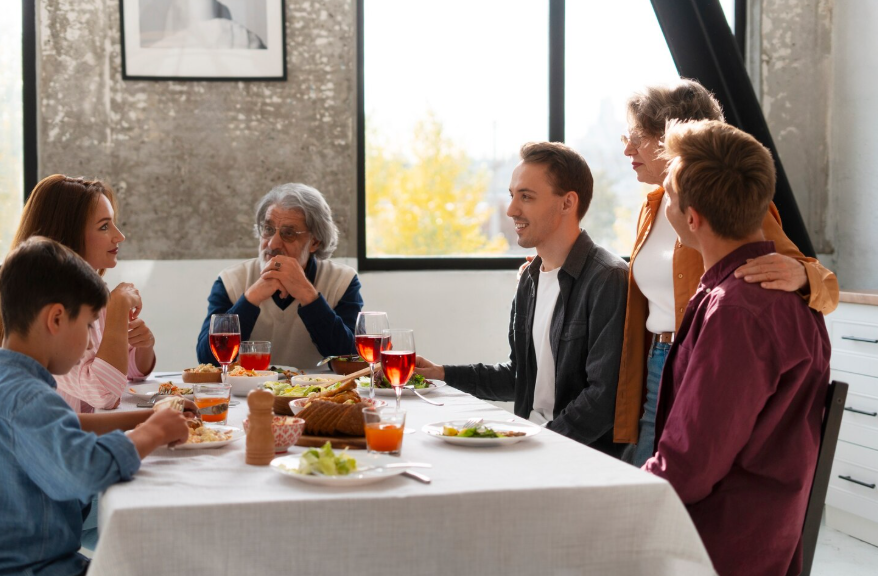
Many families are intentionally simplifying celebrations. Some are reducing gift exchanges, choosing potluck-style meals, or focusing on smaller gatherings instead of large productions.
Others are replacing highly structured events with more casual experiences. Game nights, movie marathons, outdoor meals, or relaxed weekend trips are becoming modern alternatives to formal traditions that once required enormous preparation.
People increasingly want traditions that add comfort and connection rather than pressure and burnout.
This change reflects a broader cultural movement toward prioritizing emotional well-being over appearances or perfection.
Read The New Rules of Casual Entertaining at Home for simple gathering ideas.
Personalized Traditions Feel More Meaningful
Flexible traditions also allow families to create rituals that better reflect their personalities and values. Instead of automatically following inherited customs, many people are asking which traditions genuinely matter to them and which feel outdated or stressful.
Some families create entirely new traditions based on shared hobbies or interests. Others combine cultural influences from multiple backgrounds into hybrid celebrations that feel more authentic to their lives.
For example, some households now prioritize travel experiences over physical gifts. Others focus on volunteer work, cooking together, or technology-free evenings during major holidays.
These personalized traditions often feel more memorable because they emerge from intentional choices rather than social expectations.
People are becoming more comfortable adapting traditions to fit the emotional needs of the present rather than recreating the past exactly.
Technology Changed How Families Stay Connected
Technology has also made flexible traditions easier to maintain across long distances. Video calls, shared photo albums, streaming watch parties, and group chats allow families to participate in celebrations even when they cannot physically gather in the same location.
Virtual traditions that once seemed temporary have become normalized for many households. Families now exchange recipes digitally, open gifts over video calls, or schedule online game nights during holidays.
While digital connection does not fully replace in-person gatherings, it has expanded the definition of what participation can look like.
In some ways, technology has helped preserve traditions by making them more adaptable rather than allowing them to disappear entirely when logistics become difficult.
This flexibility helps families maintain emotional closeness even during busy or transitional periods of life.
Explore The New Etiquette of Group Chats and Digital Communication across family communication.
Younger Generations Are Redefining Tradition
Younger adults are also approaching traditions differently from previous generations. Many prioritize experiences, emotional authenticity, and mental balance over strict adherence to social expectations.
Rather than feeling obligated to continue every inherited custom, people increasingly feel comfortable modifying traditions to suit their own households. Some skip stressful activities entirely, while others scale them down significantly.
This does not necessarily mean traditions matter less. In many cases, people care deeply about maintaining meaningful rituals. They want those rituals to feel realistic and emotionally healthy.
Smaller celebrations, quieter holidays, and low-pressure gatherings are becoming more socially accepted than they once were.
Families are recognizing that traditions survive more easily when they are flexible enough to evolve alongside the people participating in them.
Check Why Neighborhood Events Are Making a Comeback for more on community connections.
Why Flexible Traditions Continue to Grow
The growing popularity of flexible traditions reflects a larger shift in how people think about family life and connection. Instead of measuring success by how perfectly events match old expectations, many families now focus on whether gatherings actually create joy, comfort, and togetherness.
Traditions have always evolved, even if people often imagine them as permanent. The difference today is that families are making those adjustments more intentionally and openly.
Flexible traditions allow people to preserve what feels meaningful while letting go of what no longer fits modern life. In many households, that balance is creating celebrations that feel less performative and more personal.
Ultimately, families are learning that traditions work best when they support relationships rather than strain them.