Learning creative skills as an adult reflects more than simple entertainment. Many adults are rediscovering creativity as a source of identity, emotional balance, personal fulfillment, and mental well-being after years focused primarily on work and responsibility.
For a long time, creative hobbies were often associated with childhood, college years, or professional artistic careers. Painting classes, music lessons, creative writing workshops, and pottery studios were commonly viewed as activities people either pursued early in life or abandoned as adult responsibilities increased.
Today, that pattern is changing.
More adults in their 30s, 40s, 50s, and beyond are intentionally learning creative skills later in life. Ceramics classes are filling up. Community art workshops are growing. Adults are buying instruments, joining writing groups, learning photography, and experimenting with painting, knitting, woodworking, and other creative hobbies in increasing numbers.
Creativity Is No Longer Viewed As “Unproductive”
For years, many adults viewed creative hobbies as optional luxuries rather than meaningful parts of life. Productivity culture often pushed people toward activities tied directly to income, achievement, or measurable success.
That mindset is beginning to shift.
Increasingly, people recognize that not every meaningful activity needs to generate money or external validation. Creative hobbies now feel valuable precisely because they exist outside constant productivity pressures.
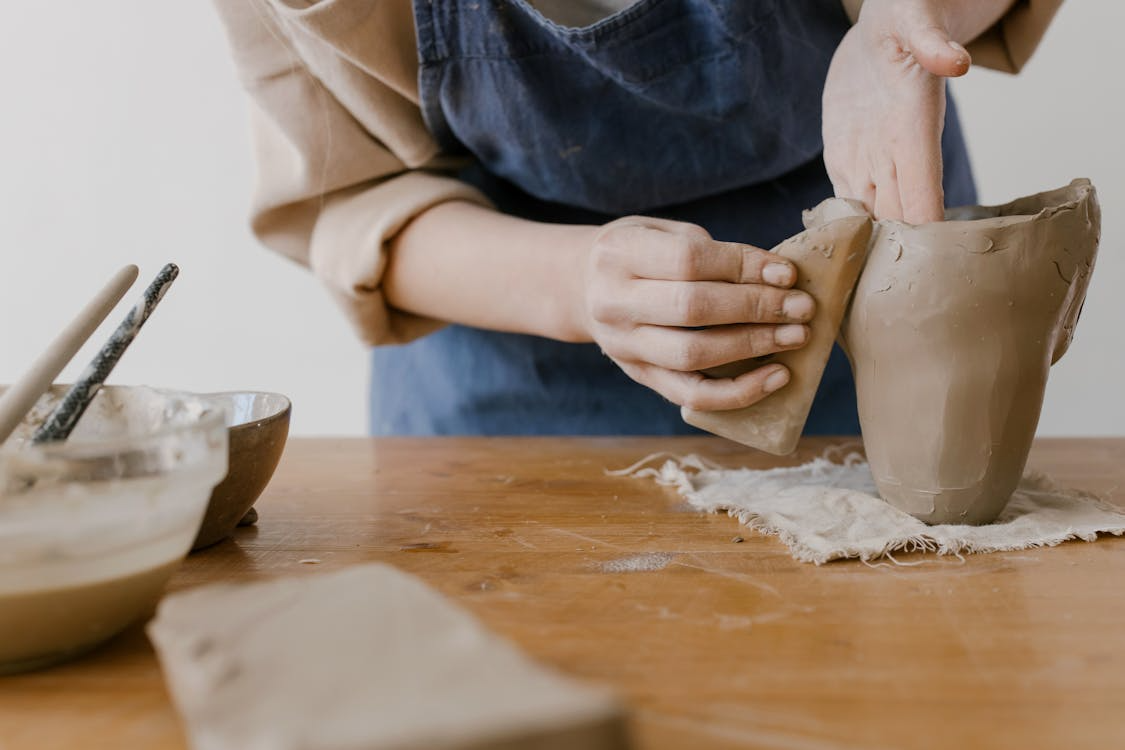
Painting a landscape, learning piano, or taking a pottery class may not improve a résumé, but many people find these experiences emotionally restorative in ways traditional work rarely provides.
This cultural change partly reflects growing burnout with an always-on work culture. After spending years prioritizing deadlines, schedules, and efficiency, many adults want activities that feel expressive, tactile, and personally meaningful.
Creative hobbies offer an opportunity to focus on enjoyment and curiosity rather than performance.
For many adults, that feels surprisingly liberating.
See How People Are Redefining Success in Their 30s and 40s for a related values shift.
Learning New Skills Builds Confidence
Another reason adults are embracing creativity later in life is the psychological satisfaction that comes from learning something entirely new.
Trying creative activities often forces people out of rigid routines and reminds them that growth is still possible at any age. That experience can feel energizing, especially for adults whose daily lives have become highly structured or repetitive.
Learning creative skills also introduces healthy discomfort. Beginners must make mistakes, experiment, and improve gradually. While initially intimidating, that process often becomes rewarding over time.
Many adults report that creative learning rebuilds confidence outside professional environments.
Success at work and success in creative hobbies operate very differently. In creative spaces, experimentation and imperfection are expected rather than avoided.
That freedom can feel emotionally refreshing for people accustomed to constant pressure to perform correctly or efficiently.
Creative hobbies also provide visible progress. Completing a painting, learning a song, or finishing a handmade project creates tangible evidence of growth and accomplishment that many people find deeply satisfying.
Read The Modern Appeal of ‘Learning for Fun’ alongside adult curiosity trends.
Creative Activities Support Mental Health
Mental health benefits are another major reason adults are turning toward creative hobbies later in life.
Activities like painting, knitting, music, journaling, and crafting often encourage focused attention and mindfulness. They slow mental pacing and provide temporary relief from stress, overstimulation, and constant digital input.
Many creative hobbies also involve repetitive physical actions that people find calming, such as sketching, stitching, sculpting, or practicing musical patterns.
Importantly, creativity gives adults space to engage emotionally without needing to explain or analyze everything verbally. Artistic hobbies can help process stress, identity changes, or emotional fatigue in quieter and more personal ways.
This helps explain why creative workshops, hobby studios, and community art spaces continue growing in popularity.
People increasingly view creativity not as a luxury but as part of emotional well-being and self-care.
For some adults, creative hobbies even reconnect them with interests they abandoned earlier in life due to work, parenting, or financial pressures.
Returning to those interests can feel emotionally healing.
Explore The Return of Analog Hobbies in a Digital World for tactile creative habits.
Social Media Helped Normalize Adult Creativity
Social media has also played a surprisingly important role in encouraging adults to pursue creative skills later in life.
Platforms filled with beginner-friendly tutorials, process videos, hobby communities, and “learn with me” content made creative learning feel more approachable and less intimidating.
Adults now regularly see other beginners openly sharing progress, mistakes, and creative experiments online. That visibility reduces the pressure to be immediately skilled or professionally talented.
Creative hobbies also fit naturally into broader cultural trends emphasizing slower living, intentional routines, and personal fulfillment.
Videos centered on pottery studios, sketchbooks, cozy art spaces, sewing projects, and home music setups continue to attract enormous audiences because they represent calmness, focus, and emotional balance.
Importantly, many people are drawn not only to the finished creative products but also to the process itself.
Watching someone paint, sculpt, bake, or practice music often feels soothing because the activity appears immersive and grounded.
That emotional appeal encourages others to try creative hobbies themselves.
Check Why Neighborhood Events Are Making a Comeback for insight on shared experiences.
Why This Trend Will Likely Continue
The growing popularity of adult creativity reflects broader cultural changes surrounding fulfillment, identity, and mental health.
More people are realizing that creativity does not belong only to professionals or naturally gifted artists. It can simply be part of a healthy, balanced life.
Creative hobbies provide experiences that many adults feel modern life increasingly lacks: patience, focus, experimentation, physical engagement, and emotional expression without constant evaluation.
They also create opportunities for community and connection through workshops, local classes, and shared interests.
Most importantly, learning creative skills later in life reminds people that adulthood does not have to become emotionally narrow or entirely work-centered.
There is still room for curiosity, playfulness, and personal growth.
In a world dominated by efficiency and digital speed, creativity often feels valuable precisely because it slows people down enough to enjoy the process itself.