The resurgence of analog hobbies reflects more than nostalgia. It reveals a growing desire for focus, creativity, calmness, and experiences that feel real in an increasingly screen-centered world.
For years, digital life promised maximum convenience. Music became streaming playlists. Photos became cloud storage. Conversations became notifications. Entertainment became endless scrolling. Yet despite all this convenience, many people are increasingly returning to hobbies and experiences that feel slower, physical, and tangible.
Film cameras are selling out again. Vinyl records continue to make a comeback. Journaling videos attract millions of views online. Knitting clubs, watercolor classes, and craft fairs are thriving in places where many assumed digital entertainment would dominate permanently.
Why Digital Fatigue Is Pushing People Offline
Modern life involves constant digital stimulation. Many people spend entire days moving between emails, social media feeds, streaming platforms, messaging apps, and endless notifications. Even entertainment often feels fragmented by multitasking and distraction.
As a result, many people are looking for activities that create a stronger sense of presence and concentration.
Analog hobbies naturally encourage this. Knitting requires attention to rhythm and movement. Journaling slows thoughts down into physical words on paper. Film photography forces patience because every shot matters. Vinyl records encourage people to sit and listen intentionally rather than skip endlessly through playlists.
These hobbies create moments when attention narrows rather than constantly scattering.
Many people also find analog hobbies mentally restorative because they involve tactile experiences. Physical interaction with paper, fabric, paint, wood, or records creates sensory engagement that screens often lack.
The appeal is not necessarily a rejection of technology. Instead, people are searching for a balance between digital convenience and physical experiences that feel grounding.
Read Small Habits That Make Daily Life Feel Easier for more everyday reset ideas.
Nostalgia Plays a Powerful Role
Nostalgia is another major reason analog hobbies continue growing in popularity. Physical objects and older hobbies often carry emotional associations tied to comfort, familiarity, and slower periods of life.
Vinyl records, disposable cameras, handwritten notes, and printed books can evoke emotional warmth in ways digital alternatives sometimes cannot.
Interestingly, many younger people driving these trends did not even grow up fully experiencing some of these formats. For them, analog hobbies feel novel rather than outdated.
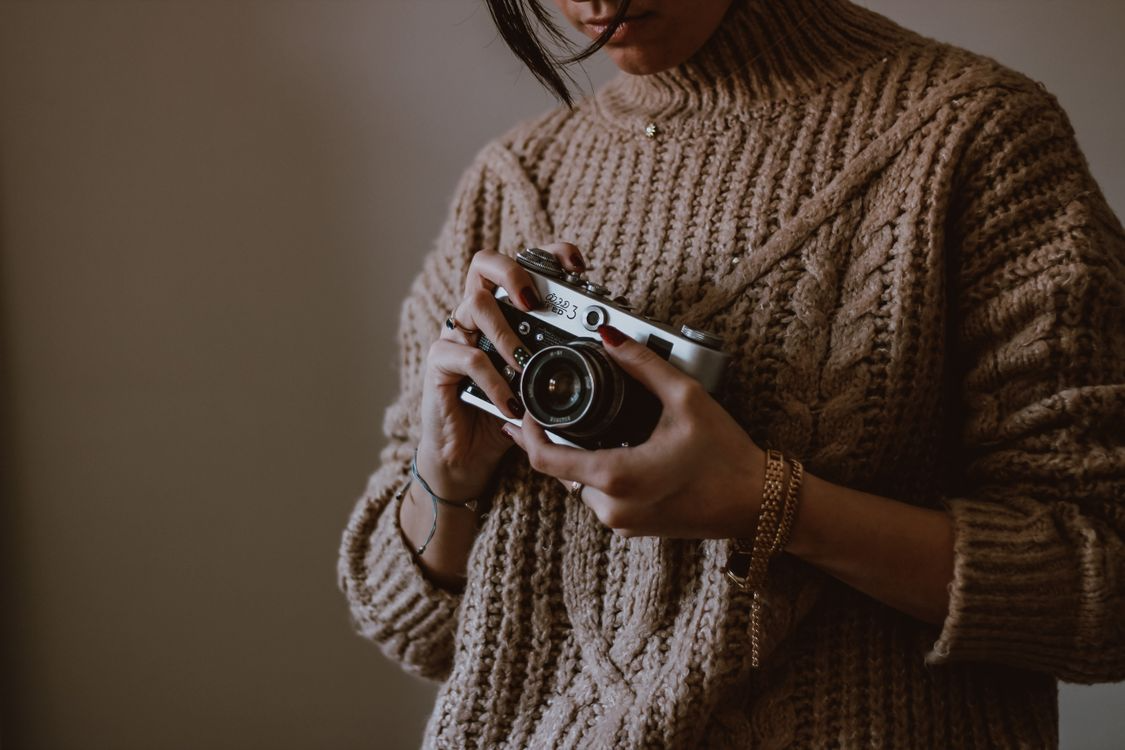
Film photography, for example, appeals partly because it feels imperfect and unpredictable. In a world of instant editing and polished social media images, grainy film photos feel more human and authentic.
The same pattern appears with journaling, scrapbooking, and crafting. People increasingly value activities that feel personal and handmade rather than optimized and algorithmically polished.
In many ways, analog hobbies offer emotional texture that digital experiences often smooth away.
Explore The Unexpected Return of Physical Media for nostalgia-driven culture trends.
Analog Hobbies Create Better Boundaries
Another reason these hobbies are resurging is that they naturally separate people from screens.
Many digital hobbies still involve staying connected to notifications, advertisements, and algorithms. Analog hobbies, however, create clearer mental boundaries.
When someone sits down to sketch, knit, build a puzzle, or listen to vinyl records, they are usually engaging in a single focused activity rather than juggling multiple streams of information simultaneously.
That separation can feel surprisingly calming.
Many people now intentionally use analog hobbies to decompress after work or reduce screen fatigue. Some even build entire evening routines around offline activities to create healthier technology habits.
Physical hobbies also slow time down psychologically. Hours spent scrolling online can feel mentally blurry, while time spent making something tangible often feels more memorable and satisfying.
This may explain why hobbies involving visible progress, such as embroidery, painting, woodworking, or baking, continue to attract people seeking a stronger sense of accomplishment and presence.
Check The Rise of Tiny Luxuries in Everyday Life for small comfort trends.
The Social Side of Analog Culture
Although many analog hobbies are solitary, they also create surprisingly strong social connections.
Local craft groups, book clubs, pottery classes, record stores, and photography meetups have become important community spaces for people seeking offline interaction. In an era where many social experiences happen digitally, these hobbies create natural opportunities for face-to-face connection.
Part of the appeal is that analog hobbies feel lower pressure than many online environments. Conversations tend to revolve around shared interests rather than performance, branding, or constant comparison.
Even younger generations who grew up online often express interest in experiences that feel less curated and more genuine.
This helps explain why activities like community workshops, hobby cafés, flea markets, and maker fairs continue growing in popularity. They combine creativity with social interaction in ways that feel refreshing compared to purely digital spaces.
The hobbies themselves become conversation starters and community builders.
Learn Why More Adults Are Learning Creative Skills Later in Life for creative habit trends.
Why Analog Hobbies Are Likely Here to Stay
The return of analog hobbies for digital fatigue is not simply a temporary trend. It reflects deeper cultural shifts surrounding attention, stress, creativity, and emotional well-being.
As digital life becomes increasingly fast, automated, and algorithm-driven, physical hobbies provide contrast. They create opportunities for patience, imperfection, focus, and sensory engagement.
People are not abandoning technology entirely. Most are simply realizing that constant digital stimulation comes with emotional costs.
Analog hobbies offer a way to slow down without completely disconnecting from modern life. They provide small pockets of calm, creativity, and intentionality inside increasingly noisy environments.
That balance may ultimately explain why these hobbies continue resonating so strongly across generations.
In a world dominated by screens, physical experiences often feel more valuable precisely because they are no longer automatic.