
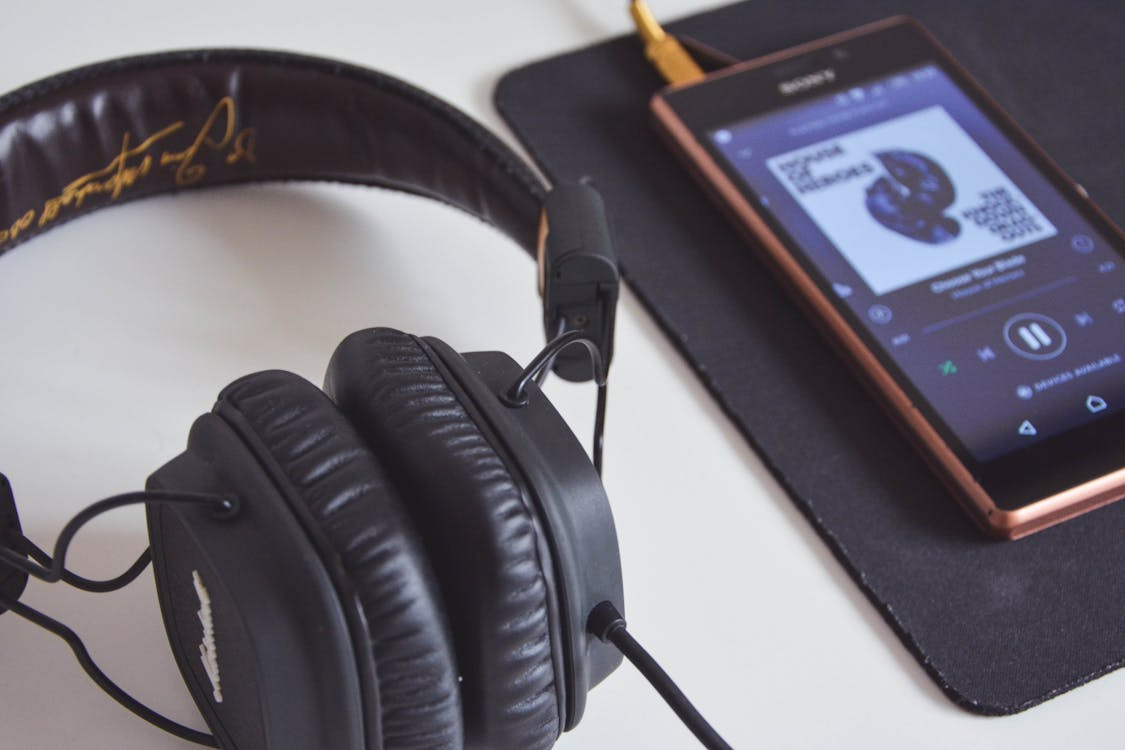
The shift toward streaming music discovery changed not only how people listen to music, but how artists build audiences, how songs become popular, and how entire listening habits evolve.
Music discovery once followed a fairly limited path. People heard songs on the radio, watched music television channels, borrowed albums from friends, or browsed record stores hoping to stumble across something new. Today, streaming platforms have completely reshaped how audiences find music, often placing millions of songs instantly within reach through algorithms, playlists, and recommendation systems.
Playlists Replaced Albums as Discovery Tools
One of the biggest changes brought by streaming is the rise of playlists as the primary method of music discovery. Instead of purchasing or listening to full albums by a single artist, many listeners now encounter songs through mood-based, activity-based, or algorithmically generated playlists.
People search for playlists built around studying, driving, relaxing, working out, or unwinding at night. In many cases, listeners discover artists accidentally while following a certain atmosphere rather than intentionally seeking specific musicians.
This fundamentally changed how music is consumed. Songs increasingly compete for placement within larger listening environments rather than existing only as part of complete albums.
For artists, playlist inclusion can dramatically increase exposure almost overnight. A single placement on a popular playlist may introduce a song to millions of listeners who otherwise would never have found it.
The playlist became both the new radio station and the new music curator.
See The Psychology Behind Comfort TV and Rewatch Culture for mood-based media habits.
Algorithms Personalized Music Discovery
Streaming services also introduced recommendation systems that continuously analyze listening behavior. Platforms now track skipped songs, repeated plays, saved tracks, genres, moods, and listening patterns to predict what users may enjoy next.
This created highly personalized discovery experiences. Two people using the same streaming service may encounter entirely different music ecosystems based on their habits.
Recommendation engines often expose listeners to smaller or niche artists they likely would never encounter through traditional mainstream channels. Genres blend more easily because algorithms prioritize behavioral patterns over rigid radio categories.
At the same time, some critics argue that algorithms can create listening bubbles in which users repeatedly hear similar styles rather than exploring broadly.
Even so, personalized recommendations dramatically changed the speed and accessibility of discovering new music.
Music discovery became as passive as active.
Read The Rise of Hyper-Specific Online Communities for context on digital culture.
Short-Form Video Changed Song Popularity
Social media platforms, especially short-form video apps, added another major layer to modern music discovery. Songs now often become popular because they appear repeatedly inside trends, memes, edits, dances, or viral clips.
In many cases, listeners hear fragments of songs online before ever encountering the full track on streaming platforms. A 15-second audio clip can suddenly revive older songs to popularity years after their release.
This shortened the path between exposure and streaming activity. Viral moments now influence charts, playlists, and listening trends almost instantly.
It also changed how songs are structured in some genres. Artists increasingly think about hooks, intros, and instantly recognizable moments that perform well in short-form content environments.
Music discovery no longer happens only through dedicated music spaces. It now happens constantly across entertainment platforms.
Explore Why Nostalgia Cycles Keep Moving Faster for more on viral culture revivals.
Nostalgia Became Easier to Access
Streaming also transformed how people revisit older music. In previous decades, discovering older songs often required physical media, specialty radio stations, or intentional collecting.
Now, entire decades of music are available instantly. Listeners regularly move between current releases and older catalog music without much distinction.
This easy access accelerated nostalgia cycles in popular culture. Younger audiences frequently discover songs from earlier eras through playlists, online trends, television soundtracks, or recommendation systems.
As a result, music consumption today feels less tied to a single generation or moment in time. Older songs often coexist alongside new releases inside the same playlists and listening sessions.
Streaming flattened musical timelines in ways physical media never could.
Check The Unexpected Return of Physical Media for another look at music nostalgia.
Independent Artists Gained New Opportunities
Streaming platforms also lowered barriers for independent artists. Musicians no longer need physical distribution deals or major-label support to release music globally.
Artists can upload songs directly to platforms and potentially build audiences through playlists, algorithms, social media, and fan sharing. Some musicians now gain millions of streams without traditional radio support at all.
This dramatically expanded the diversity of available music. Listeners now have access to countless niche genres, regional styles, and independent creators that previously struggled to reach wide audiences.
However, streaming has also created intense competition because so much music is constantly released. Visibility became both more accessible and more crowded.
Success increasingly depends on discoverability rather than simple availability.
Why Streaming Continues to Shape Music Culture
Streaming changed music discovery by transforming listening from a limited activity into a continuous, personalized experience. People no longer wait for music to reach them through traditional gatekeepers. Instead, music constantly flows through playlists, recommendations, social media, videos, and shared links throughout daily life.
The result is a listening culture that feels faster, broader, and more fragmented than previous eras. Audiences move fluidly between genres, decades, moods, and artists with almost no friction.
At the same time, streaming made music more integrated into everyday routines than ever before. People now soundtrack workouts, commutes, studying, cooking, relaxing, and socializing through personalized streaming environments.
Music discovery became less about searching intentionally and more about encountering songs naturally throughout digital life.
That shift continues to reshape not only how people find music, but also how music itself is created, shared, and remembered.