Many individuals are exploring sleep-friendly bedroom ideas to transform their rooms into calmer environments that support deeper, more consistent sleep.
For years, bedrooms were often treated as secondary spaces, functional rooms designed mainly for sleeping and storing clothes. Recently, however, more people have started intentionally designing bedrooms around rest, recovery, and relaxation. Sleep-friendly bedrooms have become a growing lifestyle priority as people recognize how deeply sleep affects mood, productivity, health, and mental well-being.
Modern life exposes people to constant stimulation through screens, noise, stress, and irregular schedules.
Sleep Became a Wellness Priority
One reason sleep-friendly bedrooms are becoming more popular is that sleep itself is now viewed as a core wellness habit rather than merely a necessity. People increasingly understand the connection between sleep quality and physical health, emotional stability, memory, focus, and stress management.
Poor sleep affects nearly every part of daily life. Even minor sleep deprivation can impact concentration, patience, energy levels, and decision-making. As awareness of these effects grew, people began paying closer attention to the environments where they sleep.
This shift also changed how bedrooms are perceived culturally. Instead of being purely decorative spaces, bedrooms are now often viewed as recovery spaces that influence the overall quality of life.
Many people no longer see good sleep as optional. They see it as foundational.
See Why ‘Cozy’ Became a Full Lifestyle Aesthetic for another comfort trend.
Lighting Choices Changed Dramatically
Lighting plays a major role in how restful a bedroom feels. Over the last decade, people have become far more aware of how bright overhead lights and excessive screen exposure affect sleep patterns.
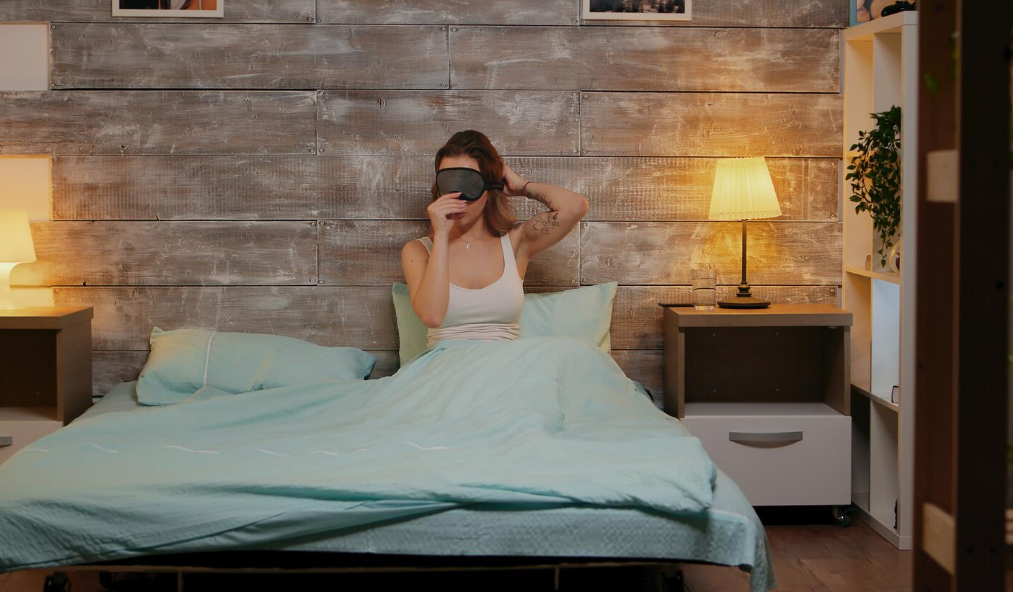
As a result, softer lighting became increasingly popular in bedrooms. Warm-toned lamps, dimmable bulbs, LED strips, and indirect lighting setups help create calmer evening environments.
Natural light management also became more important. Blackout curtains and light-filtering window treatments are now common additions because they help regulate both nighttime darkness and morning wake-up routines.
Many people now intentionally reduce harsh lighting before bed to signal to their brains that it is time to relax.
The growing popularity of soft lighting reflects a larger desire to make bedrooms feel emotionally calming rather than purely functional.
Read Why Aesthetic Organization Became So Popular for a calmer home design.
Bedrooms Became More Technology-Conscious
Technology created both the problem and the solution for modern sleep struggles. Phones, televisions, tablets, and laptops often disrupt sleep through blue light exposure, notifications, and overstimulation.
In response, many people are creating boundaries around bedroom technology. Some households remove televisions entirely, while others establish charging stations outside the bedroom to reduce nighttime phone usage.
Even people who still use technology in bedrooms often do so more intentionally. White noise machines, sleep apps, sunrise alarm clocks, and smart lighting systems are increasingly used to support healthier sleep routines rather than disrupt them.
The idea of a “sleep environment” has expanded beyond furniture and décor to include digital habits.
Many people are now designing bedrooms to minimize stimulation rather than maximize entertainment.
Explore How People Are Building Better Phone Boundaries for related screen habit changes.
Comfort and Texture Became More Important
Comfort-focused design also plays a major role in the rise of sleep-friendly bedrooms. Soft textures, layered bedding, supportive mattresses, and temperature-regulating materials became much more popular as people spent more time improving home environments.
Consumers now pay closer attention to sheets, pillows, mattress toppers, and fabrics than they once did. Cooling bedding, weighted blankets, and ergonomic pillows all gained popularity as people searched for ways to improve sleep quality.
Bedrooms also became visually softer overall. Neutral colors, natural materials, cozy lighting, and uncluttered layouts help create spaces that feel mentally quieter.
The popularity of “cozy” aesthetics overlaps heavily with this trend. People increasingly want bedrooms that feel emotionally comforting, not just visually attractive.
Comfort is no longer viewed as indulgent. It is increasingly seen as a way to maintain health and balance.
Noise and Clutter Are Taken More Seriously
Another reason people prioritize sleep-friendly bedrooms is growing awareness of how noise and clutter affect stress levels. Even subtle background sounds or visual mess can contribute to mental overstimulation.
As a result, many people now focus on reducing unnecessary distractions in sleep spaces. Minimal visible clutter, hidden storage solutions, soft flooring, and sound-dampening materials all contribute to calmer environments.
Air quality also became part of the conversation. Air purifiers, humidifiers, fans, and houseplants are often added to bedrooms to improve comfort and breathing conditions during sleep.
Many of these changes are relatively small individually, but together they create bedrooms that feel noticeably more peaceful and restorative.
People are learning that restful spaces are often created through subtraction as much as addition.
Check Why Minimalism Looks Different Than It Did 10 Years Ago for insights on simple living.
Why Sleep-Friendly Bedrooms Continue to Grow
The growing emphasis on sleep-friendly bedrooms reflects a broader cultural shift toward recovery, balance, and intentional living. In a world filled with constant notifications, information, and stimulation, people increasingly value spaces that help them slow down mentally and physically.
Bedrooms are becoming less about appearance alone and more about how a space actually feels to live in. The goal is not luxury or perfection. It is creating an environment that supports genuine rest.
As stress levels, screen time, and daily demands continue rising, many people see the bedroom as one of the few places where they can intentionally reclaim calm and quiet.
That makes sleep-friendly design feel less like a trend and more like a long-term lifestyle adjustment.