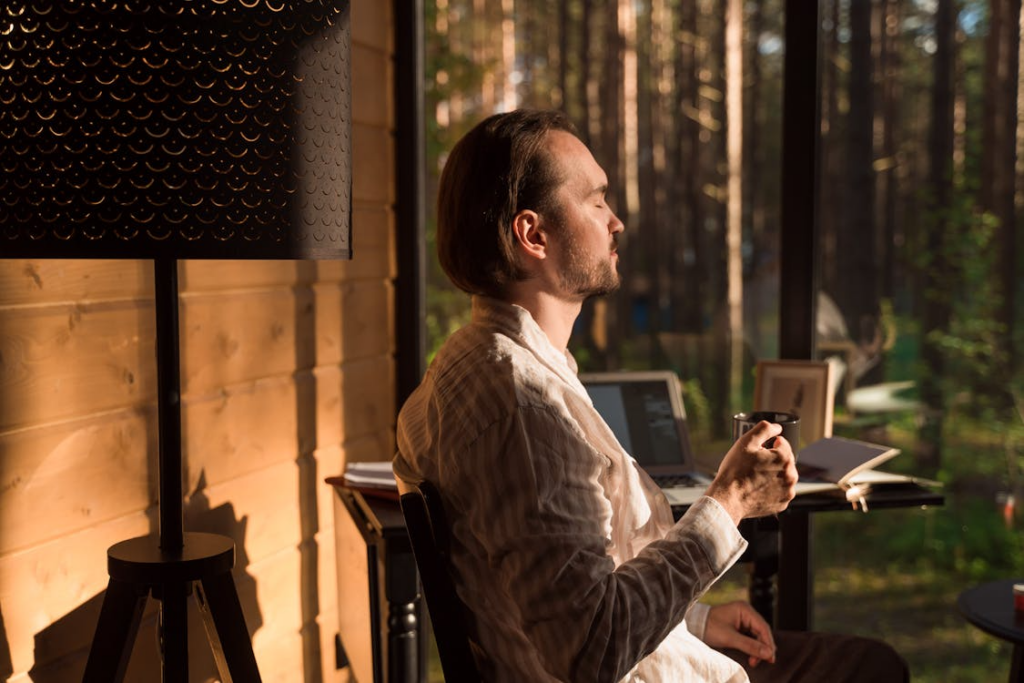
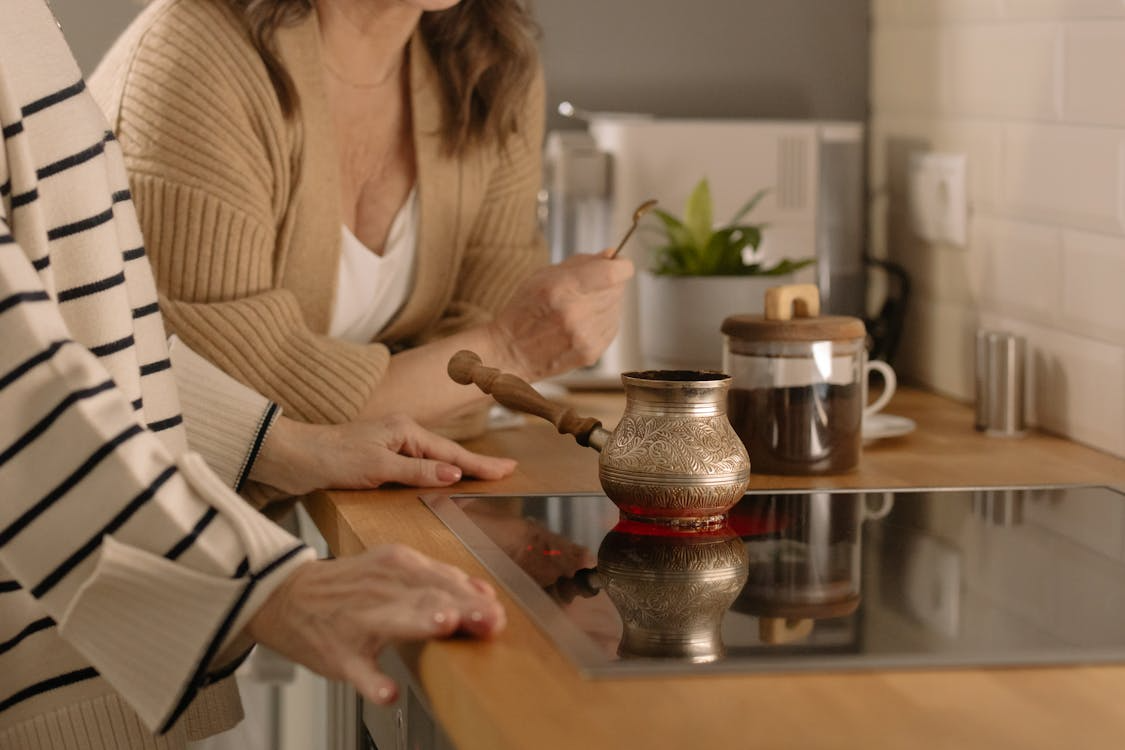
This trend of romanticizing ordinary life reflects a deeper cultural desire to slow down, reconnect with daily life, and find comfort within ordinary routines.
For years, social media and modern culture have often emphasized extraordinary experiences, major achievements, luxury lifestyles, and constant excitement. Recently, however, a noticeable shift has emerged. More people are beginning to romanticize ordinary life, finding meaning and beauty in quiet routines, small rituals, and everyday moments that once seemed too mundane to notice.
Morning coffee, grocery shopping, rainy afternoons, neighborhood walks, reading before bed, cooking dinner, watering plants, and organizing small spaces are now frequently framed as emotionally meaningful experiences rather than background tasks.
Everyday Routines Became Emotionally Grounding
One major reason ordinary life became more romanticized is that modern life often feels overstimulating and unpredictable. Constant notifications, rapid news cycles, work pressure, and digital overload can leave people emotionally exhausted.
In response, many individuals now find comfort in routines that feel familiar and steady. Simple activities like making tea, cleaning a room, journaling, or walking through the neighborhood create small moments of predictability and calm.
These routines help people feel anchored emotionally. They provide structure without pressure and familiarity without performance.
What once felt boring increasingly feels peaceful.
The appeal often comes from slowing down enough, actually, to notice experiences that previously passed by automatically.
See Why More People Are Choosing ‘Quiet Mornings’ Over Productivity Hacks for a related routine.
Social Media Changed What People Share
Social media also played a major role in popularizing the aesthetics of ordinary life. Earlier in internet culture, content frequently focused on highly curated luxury, travel, or achievement-based content.
Today, many creators intentionally highlight slower and more relatable experiences instead. Videos of cooking breakfast, organizing shelves, reading books, rainy commutes, or quiet evenings at home often perform extremely well online.
Part of this appeal comes from emotional accessibility. Viewers may not relate to expensive vacations or glamorous lifestyles, but they understand the comfort of a cozy room, warm lighting, or a peaceful morning routine.
Ordinary moments became visually and emotionally shareable in new ways.
The internet helped people realize that everyday life itself can feel aesthetically meaningful.
Cozy Culture Encouraged Slower Living
The rise of cozy culture strongly overlaps with the romanticization of ordinary life. Soft lighting, warm drinks, books, ambient playlists, home cooking, crafts, and quiet hobbies all emphasize comfort and emotional atmosphere over excitement or productivity.
This aesthetic movement encourages people to appreciate small pleasures rather than constantly chasing major milestones or high levels of stimulation.
Many individuals are becoming more intentional about creating comforting experiences within normal routines. Grocery shopping becomes a relaxing ritual. Cleaning becomes a reset. Cooking becomes a creative time rather than a pure obligation.
The emotional framing changed.
Ordinary activities increasingly feel valuable because they create moments of calm and presence within busy lifestyles.
Read Why ‘Cozy’ Became a Full Lifestyle Aesthetic beside comfort-led culture.
People Are Reassessing Success and Productivity
Another major factor behind this trend is changing attitudes toward productivity and success. Many people feel burned out by constant pressure to optimize every aspect of life, pursue endless goals, or maintain nonstop ambition.
As a result, there is growing appreciation for slower and more sustainable lifestyles. Enjoying ordinary moments now often feels quietly rebellious against cultures that constantly demand achievement and hustle.
Romanticizing ordinary life allows people to reclaim value in experiences that do not necessarily generate status, income, or measurable accomplishment.
A peaceful afternoon at home may now feel more emotionally satisfying than a packed schedule filled with obligations.
People increasingly want lives that feel emotionally manageable, not just externally impressive.
Explore How People Are Redefining Success in Their 30s and 40s to understand changing values.
Nostalgia and Simplicity Play a Role
Nostalgia also contributes to this trend. Many people associate ordinary moments from childhood with emotional safety and simplicity. Rainy afternoons, family dinners, bookstores, weekend errands, and seasonal routines often carry strong emotional memory.
Romanticizing ordinary life partly involves reconnecting with those feelings in adulthood.
At the same time, simplicity itself became more appealing as digital life grows increasingly complex. Small offline experiences often feel more real and emotionally present than highly mediated online environments.
Lighting candles, reading physical books, cooking from scratch, or taking quiet walks all create sensory experiences that feel grounding and tangible.
People increasingly value moments that help them feel directly connected to real life, rather than constantly consuming stimulation through screens.
Check The Unexpected Return of Physical Media for a related nostalgia trend.
Why Ordinary Life Feels More Meaningful Now
The romanticization of ordinary life reflects a broader cultural shift toward emotional sustainability. Many people no longer want every moment to feel optimized, exciting, or productive. Instead, they are learning to appreciate quieter forms of fulfillment.
Ordinary life became meaningful because people started paying attention to it again.
The appeal is not necessarily about pretending life is perfect. Rather, it involves recognizing that comfort, peace, beauty, and emotional richness often exist inside very small daily experiences.
In a fast-moving digital world filled with constant comparison and stimulation, ordinary moments increasingly feel valuable precisely because they are simple, familiar, and real.
For many people, romanticizing ordinary life is less about escaping reality and more about reconnecting with it.