For years, the physical media comeback seemed unlikely because physical formats appeared destined to disappear.
Streaming replaced DVDs, digital downloads replaced CDs, cloud storage replaced printed photos, and e-books appeared ready to overtake traditional books entirely. Convenience, portability, and instant access made digital formats feel inevitable.
Yet despite this shift, physical media has made a surprising comeback.
Vinyl records continue to grow in popularity. Independent bookstores are thriving in many cities. CDs, film cameras, disposable cameras, DVDs, cassette tapes, and printed magazines have all experienced renewed interest across multiple generations.
The return of physical media reflects more than nostalgia alone. It reveals growing frustration with digital overload and increasing appreciation for ownership, tactile experiences, and slower forms of entertainment.
People Miss Tangible Experiences
One major reason physical media is returning is the simple sensory experience it offers.
Digital content is efficient, but it often feels intangible and temporary. Streaming music, scrolling digital libraries, and storing everything in the cloud can sometimes create emotional distance between people and the media they consume.
Physical media feels different because it involves touch, space, and ritual.
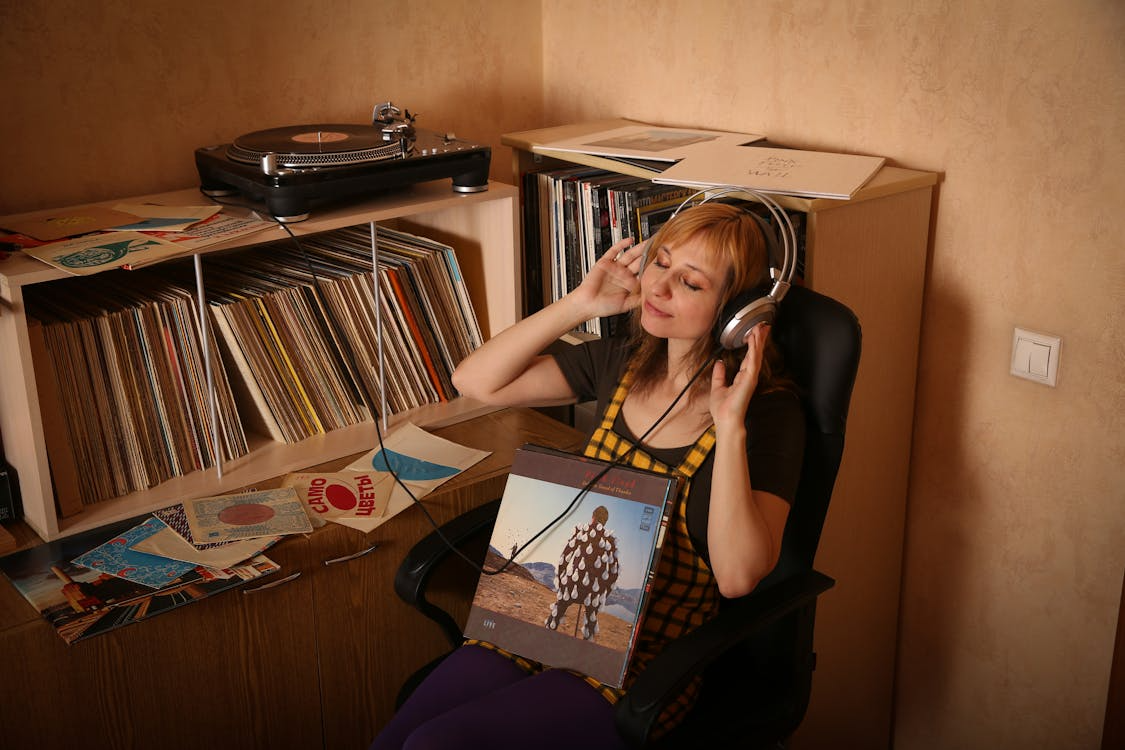
Holding a vinyl record, flipping through a printed book, organizing DVDs on a shelf, or loading film into a camera creates interaction beyond simply pressing play. The physical object itself becomes part of the experience.
Many people find this process emotionally satisfying because it slows consumption down and makes entertainment feel more intentional.
Listening to vinyl, for example, often encourages people to experience entire albums rather than constantly skipping between songs. Printed books reduce notifications and distractions. Physical photographs feel more emotionally permanent than endless digital camera rolls.
The physicality itself creates meaning.
See The Return of Analog Hobbies in a Digital World for more on tactile trends.
Ownership Feels More Valuable Again
The rise of subscription culture also contributed to renewed interest in physical media.
Streaming services offer convenience, but they also introduce a sense of instability. Movies disappear from platforms unexpectedly. Digital purchases can become inaccessible. Algorithms increasingly control what people discover and revisit.
As a result, some consumers are rediscovering the emotional value of actually owning media.
Physical collections create permanence and personal identity in ways digital libraries sometimes do not. Shelves filled with records, books, films, or magazines feel curated and personal rather than temporary and algorithm-driven.
Ownership also creates independence from constantly changing platforms and subscriptions.
Many consumers increasingly dislike the feeling that entertainment exists only as long as companies choose to host it. Physical media offers a sense of reliability and control that streaming cannot fully replicate.
This partly explains why collectors, hobbyists, and younger audiences alike continue investing in physical formats despite widespread digital availability.
Sometimes permanence feels comforting.
Read The Everyday Items That Quietly Improved Over the Last Decade for another ownership angle.
Nostalgia Is Powerful, But Not The Whole Story
Nostalgia certainly plays a role in the return of physical media, especially for older generations reconnecting with formats tied to earlier life experiences.
Vinyl records, DVDs, CDs, and printed books often carry emotional associations linked to childhood, family routines, or specific cultural eras. Revisiting these formats can recreate feelings of familiarity and comfort.
However, many younger consumers driving these trends never fully experienced some of these formats in the first place.
For them, physical media often feels novel rather than nostalgic.
A disposable camera, cassette player, or record collection can feel exciting precisely because it contrasts so sharply with modern digital life. Imperfections become part of the appeal. Grainy photographs, vinyl crackle, worn book pages, and physical album artwork create texture and personality missing from highly polished digital experiences.
Physical media also introduces limitations, which many people now find refreshing.
You cannot instantly skip endlessly through hundreds of options when using many physical formats. That limitation often encourages deeper engagement with the experience itself.
Explore Why Nostalgia Cycles Keep Moving Faster for a similar culture pattern.
Physical Media Supports Slower Consumption
Another major factor behind the resurgence is growing fatigue with endless digital abundance.
Streaming platforms provide nearly unlimited entertainment choices, yet many people feel overwhelmed by the sheer volume of content constantly competing for attention. Physical media naturally reduces that overload.
Choosing a record, movie, or book from a smaller personal collection feels calmer and more intentional than scrolling endlessly through algorithmic recommendations.
This aligns with broader cultural shifts toward slower living, intentional routines, and reduced overstimulation.
Physical media often encourages people to engage with entertainment more attentively. Watching a DVD, reading a printed book, or listening to a vinyl album usually becomes a dedicated activity rather than passive background consumption.
Many people increasingly value experiences that feel immersive instead of fragmented by multitasking and notifications.
The slower pacing becomes part of the attraction.
In an environment dominated by speed and convenience, friction itself sometimes feels emotionally valuable.
Learn How Streaming Changed the Way People Discover Music for the digital contrast.
Why Physical Media Will Likely Continue Returning
The resurgence of physical media reflects deeper cultural desires for permanence, focus, ownership, and emotional texture.
Digital convenience remains extremely important, and physical formats are unlikely to replace streaming or cloud-based entertainment fully. However, many consumers no longer want convenience to eliminate every tactile or intentional experience from daily life.
Physical media offers contrast.
It slows people down, creates rituals, and transforms entertainment into something more tangible and memorable. It also provides emotional comfort in a world where so much increasingly feels temporary and virtual.
Importantly, the return of physical media is not simply about resisting technology. Most people embrace both digital and physical formats simultaneously.
The growing appeal comes from balance.
Sometimes people want instant streaming convenience. Other times, they want the slower satisfaction of holding something real in their hands.
In a culture increasingly dominated by screens and subscriptions, physical media often feels valuable precisely because it asks people to engage more intentionally with the experience itself.