Many everyday product improvements happened gradually, which is why people often fail to notice just how much better certain products have become compared to their earlier versions.
Not every major improvement in modern life comes from flashy technology or headline-making inventions. Some of the biggest quality-of-life upgrades have happened quietly through the everyday products people use constantly without giving them much thought.
Over the last decade, countless ordinary items have become more durable, efficient, comfortable, and user-friendly through small but meaningful improvements in design and technology.
Water Bottles Became Smarter and More Functional
Reusable water bottles used to be fairly simple. Most were bulky, difficult to clean, or poor at maintaining temperature. Over time, insulated stainless-steel designs dramatically improved the duration for which drinks stay cold or hot.
Modern bottles now feature leak-proof lids, easy-carry handles, straw systems, cup-holder compatibility, and lightweight materials, making them far more practical for daily use. Some even include tracking reminders, filter systems, or modular accessories.
Part of their popularity also stems from their evolution from utility products into lifestyle products. Water bottles became personalized, aesthetic, and portable in ways older versions never were.
What once felt like a basic container gradually turned into a thoughtfully designed everyday companion.
See Everyday Objects That Became Status Symbols for more everyday product culture.
Wireless Headphones Improved Convenience Dramatically
Early wireless headphones often suffered from poor battery life, unreliable connections, and uncomfortable designs. Over the last decade, improvements in Bluetooth technology and battery efficiency have transformed them into seamless daily essentials.
Modern earbuds pair instantly, last for hours, and fit more comfortably than many older wired options ever did. Noise cancellation, transparency modes, and touch controls became increasingly accessible even outside premium price ranges.
The convenience factor changed everyday behavior significantly. People now move between work, travel, exercise, and home life without untangling cords or constantly reconnecting devices.
Because the improvement happened in stages, many people forget how frustrating older wireless technology once felt.
Kitchen Appliances Became Faster and Easier to Use
Small kitchen appliances quietly experienced major usability upgrades over the last decade. Air fryers, programmable coffee makers, electric kettles, and countertop ovens became faster, safer, and more energy-efficient.
Even simple items like blenders have improved through quieter motors, easier cleaning systems, and more compact storage designs. Refrigerators and dishwashers also became noticeably better at balancing efficiency with convenience.
Many products now focus heavily on reducing friction. Easy-clean surfaces, touch controls, faster heat-up times, and automatic shut-offs all contribute to smoother daily routines.
People may not consciously notice these improvements because modern appliances feel easier to live with than older versions did.
That subtle reduction in inconvenience adds up over time.
Explore Small Habits That Make Daily Life Feel Easier for practical routine upgrades.
Mattresses and Home Comfort Products Evolved
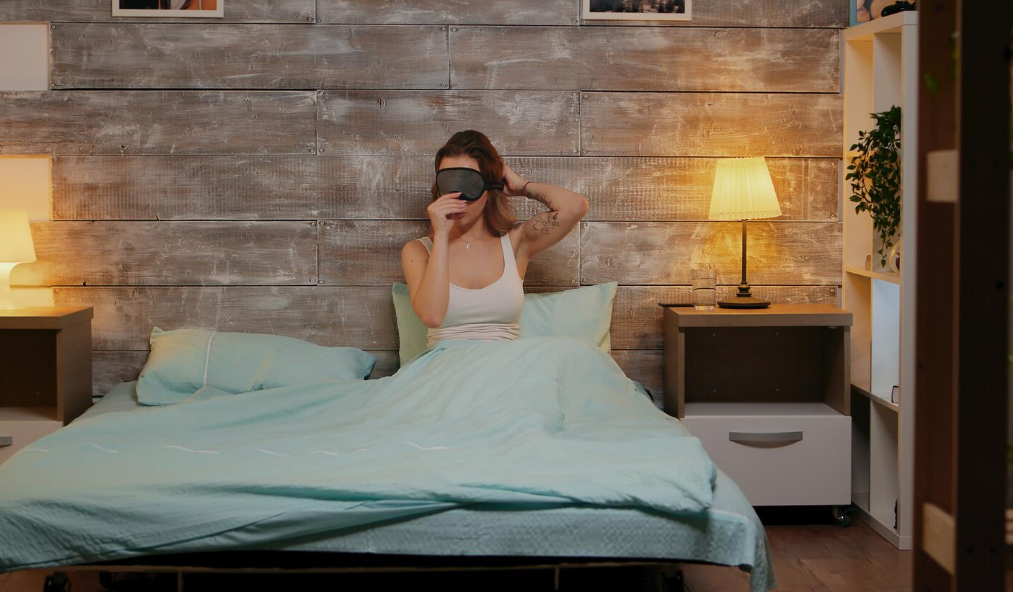
Home comfort products changed dramatically as sleep and wellness became larger cultural priorities. Mattresses improved through memory foam, hybrid support systems, cooling materials, and boxed delivery methods that made shopping easier.
Pillows, blackout curtains, ergonomic chairs, and weighted blankets also became more thoughtfully designed with comfort and recovery in mind rather than just basic function.
Consumers increasingly expect products to support mental and physical well-being, not merely exist as household necessities. Companies responded by improving both comfort and customization.
Even lighting has evolved significantly. Adjustable color temperatures, smart bulbs, and softer ambient lighting options became widely available and affordable.
These changes transformed ordinary living spaces into environments people intentionally optimize for rest and comfort.
Read Why People Are Prioritizing Sleep-Friendly Bedrooms for home comfort context.
Everyday Bags and Clothing Became More Practical
Fashion and utility started blending much more over the last decade. Everyday clothing increasingly emphasizes comfort, stretch fabrics, durability, and versatility.
Athleisure became mainstream partly because people realized they preferred clothing that could transition easily between errands, work, travel, and relaxation. Shoes followed a similar path with lightweight materials and improved cushioning becoming standard expectations.
Bags and backpacks also became more functional. Many now include padded laptop compartments, hidden pockets, charging ports, waterproof materials, and ergonomic straps.
Even basic everyday carry items feel more intentionally designed around how modern people actually move through daily life.
Products that once focused mostly on appearance now prioritize convenience alongside style.
Explore The Reinvention of Mall Culture for more changes in everyday shopping.
Phone Chargers and Batteries Quietly Improved
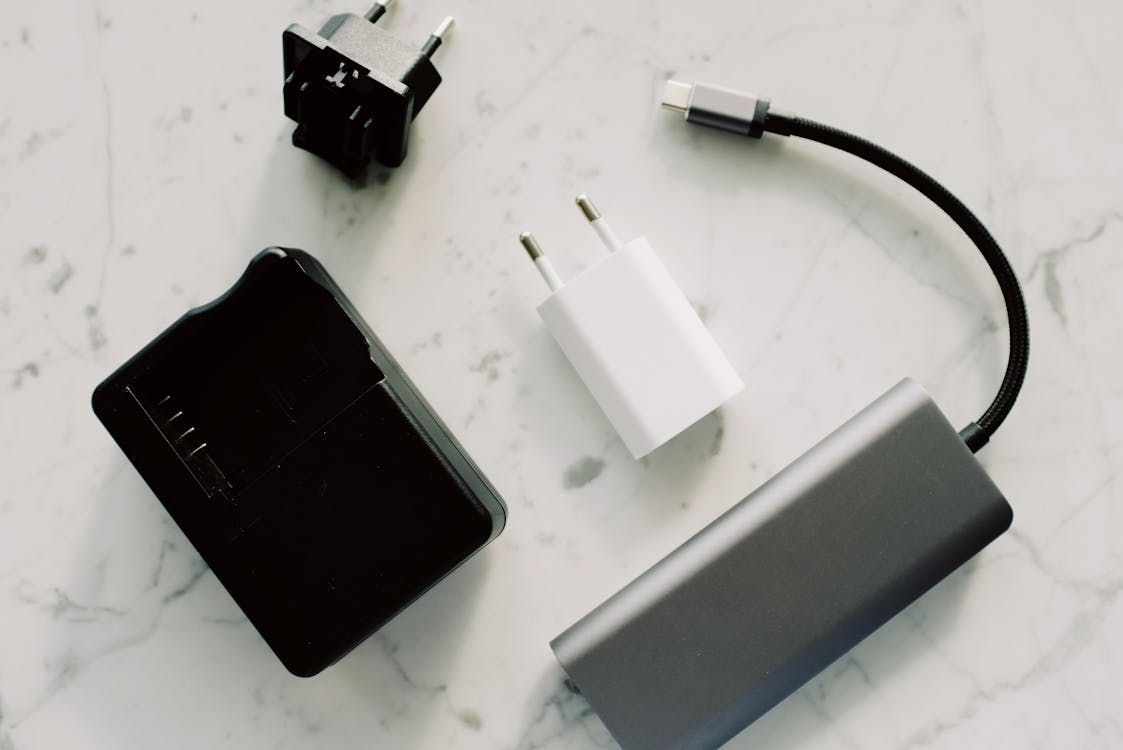
One of the most overlooked improvements of the last decade involves charging technology. Older devices charged slowly, overheated easily, and often required multiple incompatible cables.
Today, fast charging, wireless charging, USB-C compatibility, and longer battery life dramatically reduce daily frustration. Portable chargers also became smaller, lighter, and far more powerful.
Because people rely on devices constantly, even small improvements in charging have an outsized impact on convenience.
The same applies to battery efficiency in phones, laptops, tablets, and smartwatches. Modern devices last longer under heavier usage than many earlier generations could manage.
These upgrades rarely feel exciting individually, but together they quietly reshaped everyday routines.
Why These Small Improvements Matter
The most successful product improvements are often the ones people stop noticing entirely because they integrate so naturally into daily life. Over the last decade, many everyday items have become better not through dramatic reinvention but through countless small refinements that remove friction and improve comfort.
These upgrades matter because ordinary objects shape daily experiences more than people often realize. Small conveniences repeated hundreds of times eventually influence stress levels, routines, and quality of life in meaningful ways.
The products people use most are not always the most glamorous or technologically advanced. Often, they are simply the ones that quietly became easier, smoother, and more reliable over time.
That kind of progress rarely makes headlines, but it changes everyday life all the same.