The shift toward soft travel vacation planning says a great deal about how modern attitudes toward stress, work, and leisure are evolving.
For years, vacation culture often revolved around maximizing every moment possible. Travelers packed itineraries with nonstop sightseeing, rushed between landmarks, booked tightly scheduled tours, and treated vacations almost like productivity challenges.
Recently, however, a very different travel philosophy has been gaining popularity.
Instead of chasing packed schedules and constant activity, many travelers now prioritize slower, calmer experiences centered around rest, comfort, and local immersion. This trend, often called “soft travel,” reflects a growing desire to make vacations feel emotionally restorative rather than exhausting.
People increasingly want trips that leave them feeling recharged instead of needing recovery afterward.
Travelers Are Prioritizing Rest Over Efficiency
Traditional vacation planning often focused heavily on efficiency. Travelers attempted to see as many attractions, restaurants, cities, and landmarks as possible within limited timeframes.
Soft travel moves in the opposite direction.
Instead of asking, “How much can we fit into this trip?” many people now ask, “How do we want this trip to feel?”
That change dramatically affects how vacations are planned.
Travelers increasingly book fewer activities, stay longer in one location, and intentionally leave unscheduled time in their itineraries. Relaxation itself becomes the priority rather than an accidental byproduct squeezed between activities.
This trend partly reflects burnout from modern work culture. Many people already feel overstimulated and overbooked in daily life. They no longer want vacations that recreate that same feeling in a different location.
As a result, slower pacing now feels more luxurious than constant movement.
Sometimes doing less has become the entire point of traveling.
See Why People Are Obsessed With Tiny Escapes for smaller restorative breaks.
Local Experiences Matter More Than Tourist Checklists
Soft travel also shifts focus away from rushing through major attractions to “check them off.”
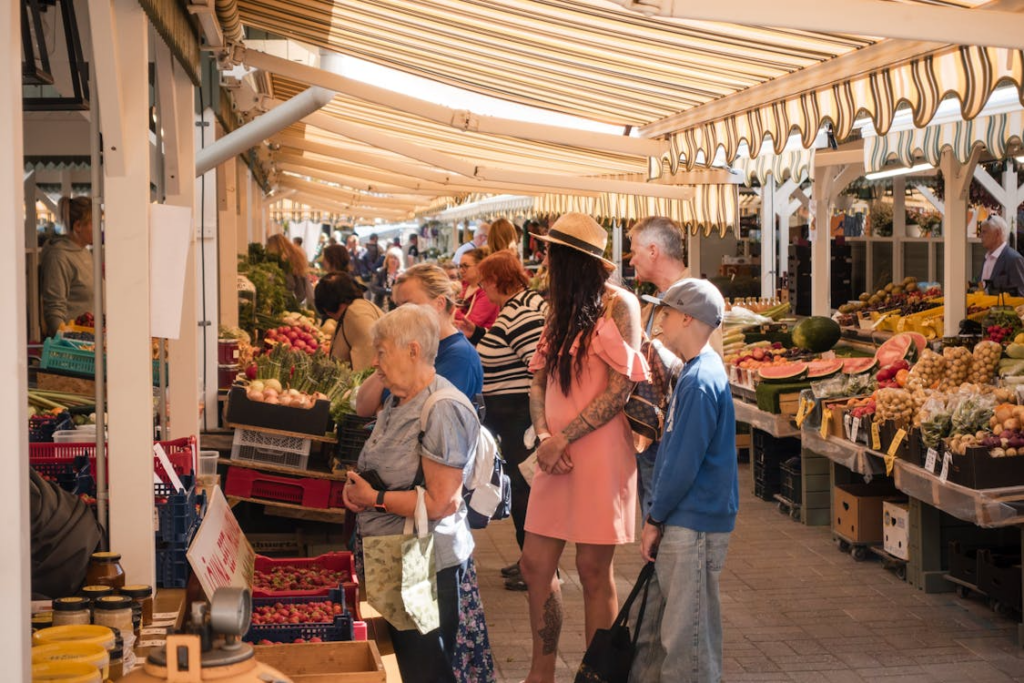
Many travelers now prioritize experiences that feel more personal and locally grounded. Neighborhood cafés, quiet bookstores, local markets, walking through residential streets, or spending entire afternoons relaxing outdoors often feel more rewarding than racing through crowded tourist schedules.
The goal becomes immersion rather than completion.
This approach allows travelers to experience destinations more naturally, rather than constantly viewing them under the pressure of optimization and documentation.
Interestingly, social media partially contributed to this shift. For years, travel culture online has heavily emphasized visually impressive bucket-list experiences. Over time, many people began feeling exhausted by performative travel centered around constant content creation and packed itineraries.
Soft travel offers a quieter alternative.
Instead of proving how much was accomplished during a trip, travelers increasingly value atmosphere, emotional experience, and slower moments that feel genuine and restorative.
Sometimes the most memorable part of a trip becomes sitting at a café for two hours rather than rushing through five attractions in a single afternoon.
Read The Growing Popularity of ‘Third Places’ for place-based lifestyle shifts.
Comfort and Calm Became Luxury Priorities
The rise of soft travel also reflects changing ideas about luxury itself.
Luxury once centered heavily around exclusivity, extravagance, and constant activity. Today, many travelers define luxury differently. Quietness, simplicity, flexibility, and low stress increasingly feel more valuable than packed schedules or elaborate experiences.
Travelers now often prioritize accommodations designed for calmness and comfort over pure status. Cozy cabins, boutique hotels, nature retreats, wellness resorts, and slower-paced destinations continue growing in popularity.
Even smaller comforts matter more than they once did. Comfortable beds, peaceful surroundings, flexible schedules, walkable neighborhoods, and slower mornings now play a larger role in travel satisfaction.
The emotional experience of the trip matters just as much as the destination itself.
This mindset also explains why “nothing days” during vacations have become more accepted. Many travelers intentionally leave entire days open with no major plans.
That would have once been viewed as wasting valuable vacation time. Now it often feels like the most restorative part of the trip.
Explore Why More People Are Choosing ‘Quiet Mornings’ Over Productivity Hacks for a slower living context.
Soft Travel Fits Modern Wellness Culture
A broader wellness culture has also influenced how people travel.
Mental health, emotional regulation, work-life balance, and reducing overstimulation have become major lifestyle priorities. Soft travel naturally aligns with those values because it emphasizes recovery rather than constant stimulation.
Many travelers now intentionally seek environments that feel slower and emotionally calming. Nature-focused destinations, quiet towns, spa retreats, coastal stays, countryside cabins, and wellness-oriented experiences all reflect this desire.
Importantly, soft travel does not necessarily mean expensive travel.
For some people, it simply means staying closer to home, taking shorter trips, or planning weekends for relaxation rather than activity overload. Mini road trips, cabin stays, and slower local vacations all fit comfortably within the broader trend.
The common factor is intentional pacing.
Travel becomes less about consumption and more about emotional experience.
This may explain why travelers increasingly describe vacations as peaceful, cozy, grounding, quiet, or restorative rather than exciting or productive.
Check Why People Are Romanticizing Ordinary Life to see everyday comfort trends.
Why Soft Travel Will Likely Continue Growing
The popularity of soft travel reflects broader cultural exhaustion with constant optimization and overstimulation.
People increasingly want leisure experiences that genuinely help them feel calmer, healthier, and emotionally recharged. Faster does not automatically feel better anymore, even during vacations.
Soft travel offers a different model centered around balance, presence, and intentional slowness.
Importantly, this trend does not eliminate adventure or exploration. Many travelers still enjoy sightseeing and active itineraries. However, there is growing recognition that meaningful travel experiences do not always require constant movement.
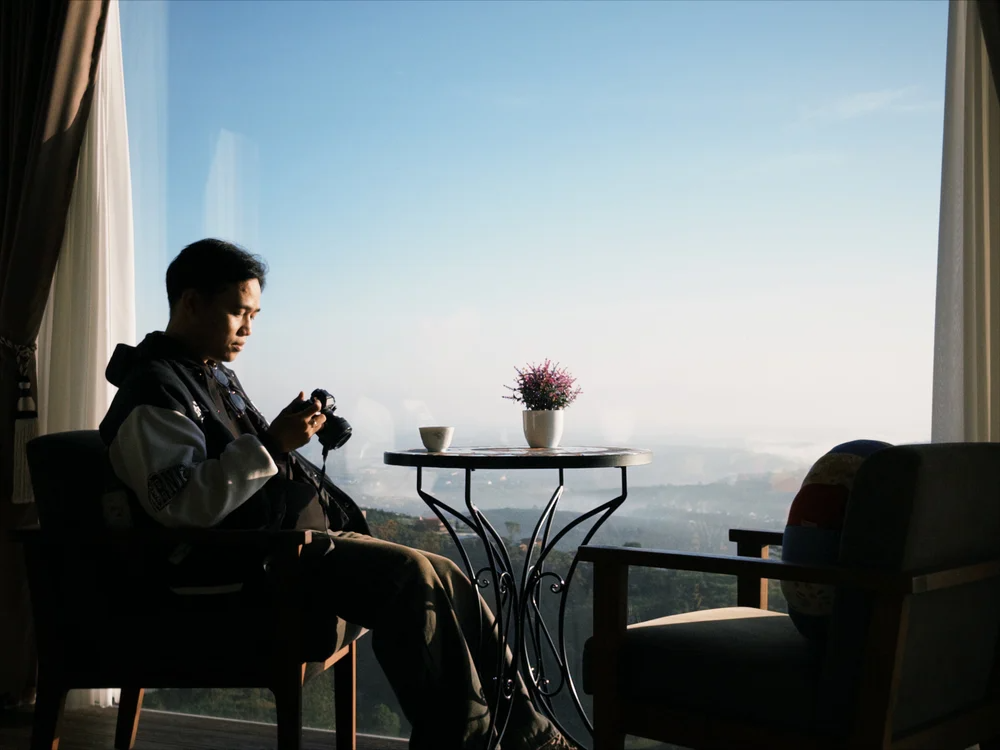
Sometimes travelers remember the slower moments most clearly: morning coffee on a quiet balcony, a long walk through an unfamiliar neighborhood, or an unscheduled afternoon spent doing almost nothing at all.
In a culture increasingly dominated by speed and stimulation, slowing down itself has become part of the destination.